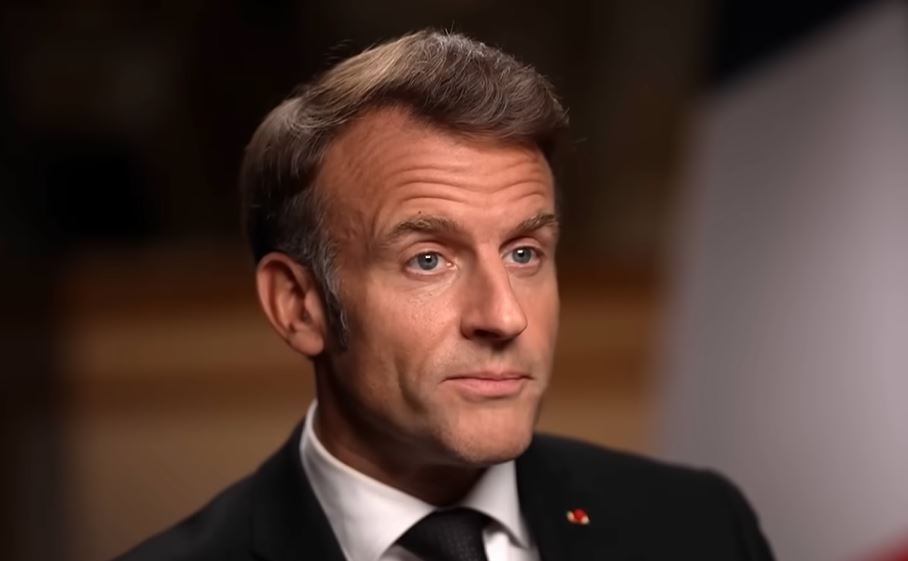
The France protests have left President Emmanuel Macron facing mounting political pressure after widespread violence, looting and clashes with police disrupted cities across the country, leaving thousands of businesses damaged and raising questions about the government’s handling of the unrest.
More than half a million people joined largely peaceful demonstrations Saturday, Oct. 17, over rising living costs, education concerns and declining public services. However, groups of masked individuals later clashed with police, vandalized public buildings and looted businesses.
The political fallout intensified Monday, Oct. 19, when Interior Minister Laurent Nuñez offered to resign, only for Macron to reject his resignation. With another round of demonstrations planned for Nov. 5, the government faces growing demands to restore public safety while addressing the concerns that brought protesters onto the streets.
France Protests Turn Violent as Thousands of Businesses Are Damaged
The demonstrations initially attracted peaceful protesters, including students, teachers and workers demanding improvements in public services and relief from rising living costs. However, violence erupted in several cities when masked groups attacked businesses, vandalized public property and clashed with security forces.
According to Reuters, French authorities reported that more than 3,000 shops were damaged or looted, while approximately 2,400 people were arrested over the weekend. The Interior Ministry also reported nearly 1,000 injured police officers and gendarmes. Injuries among demonstrators raised additional concerns about the use of force during the clashes.
In Limoges, a historic town hall was set on fire. Businesses and public buildings were also attacked in Paris, Marseille and other cities, prompting police to deploy tear gas and water cannons. The damage has left retailers facing substantial losses. Le Monde reported that the Federation of Commerce and Distribution estimated the destruction could cost hundreds of millions of euros. For affected business owners, the immediate concern is not simply repairing damaged storefronts but determining how quickly they can reopen and recover lost income.
Macron Faces Backlash as Interior Minister Offers to Resign
The political fallout intensified when Nuñez offered to resign amid criticism of the authorities’ handling of the demonstrations. According to Euronews, Macron rejected the resignation, citing the need for continuity in the leadership of France’s security forces.
The president instead instructed Nuñez to introduce new measures against violent rioters and review shortcomings in police planning and intelligence gathering. Nuñez acknowledged that police had lost control in some cities during the unrest.
Prime Minister Sébastien Lecornu convened crisis discussions Monday, while National Assembly President Yaël Braun-Pivet called for an inquiry into the events. Macron also addressed the nation Sunday, condemning the violence and promising that those responsible would be held accountable.
His response drew criticism from political opponents who questioned whether the government had provided enough practical solutions. Authorities subsequently introduced localized curfews in parts of Paris and other cities to prevent further violence. The restrictions were targeted measures rather than a nationwide curfew.
Rising Living Costs and Education Concerns Fuel France Protests
The violence has threatened to overshadow the concerns that originally brought demonstrators onto the streets. The movement began with student protests over education conditions in September before expanding into broader demonstrations against rising prices and declining public services.
Students, teachers and labor organizations have raised concerns about access to quality education, wages and the cost of everyday necessities. CGT union leader Sophie Binet criticized Macron for failing to adequately address those grievances.
The government has pledged to deploy 3,000 qualified teachers, although broader improvements to public services remain complicated by France’s financial difficulties. For parents struggling with household expenses and students concerned about their education, those issues remain important regardless of the political confrontation.
The distinction between peaceful demonstrators and people responsible for violence is therefore essential. While the destruction has dominated headlines, it does not represent everyone who participated in the protests or explain the full range of grievances behind the movement.
France’s Political Rivals Clash Over Who Is to Blame
The unrest has intensified disagreements among France’s political leaders as the country approaches its 2027 presidential election. Macron and Lecornu blamed much of the violence on radical far-left groups and criminals.
Left-wing politician Jean-Luc Mélenchon criticized the government’s handling of the unrest, while nationalist politician Marine Le Pen blamed Macron’s administration for the breakdown in public order. These competing accusations come as France’s divided parliament struggles to agree on spending priorities and economic reforms.
The government faces substantial public debt, creating difficult choices over public spending at a time when demonstrators are demanding stronger services and greater financial support. Meanwhile, the financial consequences of the violence have created another challenge.
Authorities are preparing assistance for affected businesses, including financial support and temporary work arrangements for employees whose workplaces cannot operate normally. The government has also moved to coordinate recovery efforts with business representatives and insurers. However, the full cost of the damage and the extent of available assistance remain uncertain.
France Braces for More Protests as Families Count the Cost
Another major day of demonstrations is planned for Nov. 5, with trade unions and groups associated with the yellow vest movement expected to participate. The planned protests leave authorities facing questions about how to protect peaceful demonstrators while preventing further destruction.
But beyond the political arguments, the consequences are already being felt by ordinary people. In BBC Europe editor Katya Adler’s reporting, a teacher and father of three named Edouard expressed frustration that political leaders appeared more interested in blaming one another than addressing residents’ fears.
His concerns reflect a wider problem facing the government. A shop owner whose business was damaged needs to know when repairs and compensation will arrive. Parents worried about rising expenses need practical answers about household costs, while students who began protesting over education still want improvements to their schools.
The financial consequences could extend beyond damaged storefronts. Businesses may face lost sales, prolonged closures and uncertainty over insurance payments, while employees could experience reduced working hours or interruptions to their income.
Those concerns make the government’s response particularly important for families already struggling with rising living costs. As France prepares for another round of demonstrations, restoring security will be only part of the challenge. The deeper test is whether authorities can protect communities, help businesses recover and respond to the grievances that brought hundreds of thousands of people into the streets in the first place.