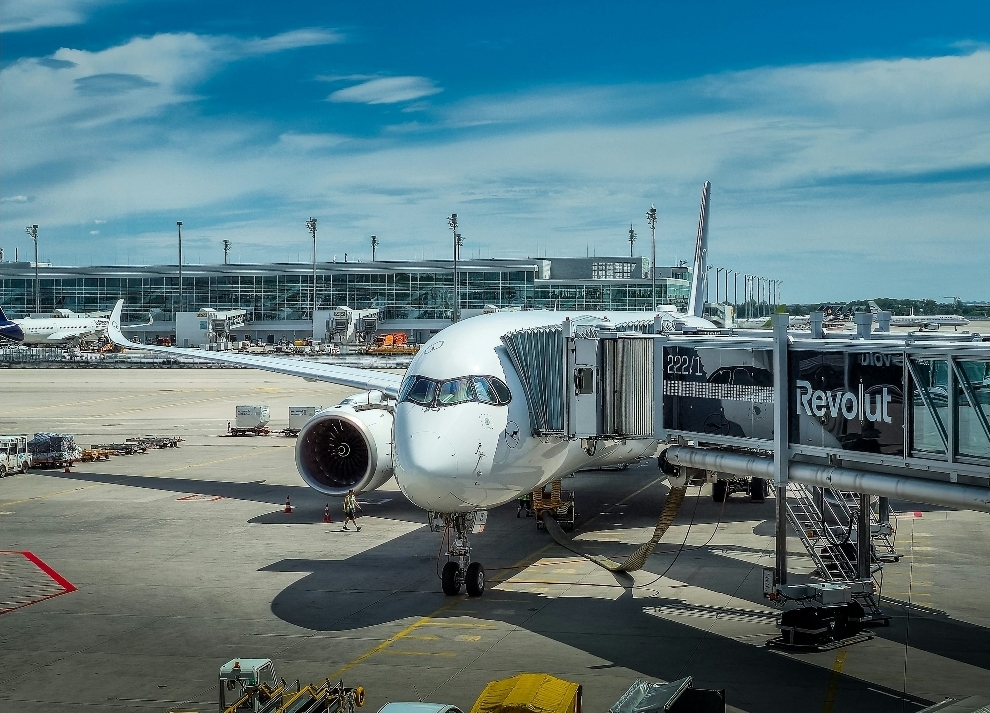
The Federal Trade Commission sent special orders to nine companies on Oct. 28 asking whether they charge or pay people different amounts based on personal data, an FTC personalized pricing inquiry announced by the agency.
The inquiry goes to the sellers themselves. The FTC says its 2024 personalized pricing study examined the consultancies that sit between software and retailers, and that the study revealed nothing about actual pricing decisions. The new orders replace that approach with a request for each company’s own records.
Which Companies Received the FTC Orders
The orders went to the airlines Delta, United and JetBlue; the ride-share companies Lyft and Uber; the delivery services DoorDash and Instacart; and the retailers Target and Walmart. The commission voted 2-0 to issue them under Section 6(b) of the FTC Act. The orders accuse no recipient of a violation. A company that does not comply can face a federal court action to enforce them, the FTC said.
What the FTC Wants to Know About Personalized Pricing
The orders ask each company to show whether the price of a ticket, a ride, a delivery or another product or service varies from person to person. The release names loyalty program participation and the analysis of personal data by what it calls “superintelligence algorithms” as examples of the factors in question.
Loyalty programs give some customers lower prices than others, and the release lists participation among the factors it wants documented without calling the practice unlawful. Ride-share and delivery companies face a second request. They must document the inputs, tools and procedures they use to adjust or set driver pay and prices. The release says those
companies may tailor pay offers using driver data such as phone usage or acceptance history for past offers. FTC Chairman Andrew Ferguson said the agency intends to “scrutinize the opaque methodology” some companies in these industries may be using. He said consumers deserve to know whether companies use their web-surfing habits or other personal data to set prices, and that workers deserve to know whether their pay depends on the same kind of data.
The orders cover two groups of people: customers, whose prices may vary, and workers, whose pay offers may. The release draws that split itself by naming driver compensation alongside consumer prices, which makes the inquiry a pricing study and a labor study at once.
Deadline and Next Steps in the Pricing Inquiry
The orders follow a step the commission took in August, when it asked for public comment on a proposed enforcement policy statement about how undisclosed use of personal information to set individualized prices could violate the FTC Act. Recipients have 45 days from receipt of the orders to respond. If the nine companies received them on the day the FTC issued them, the deadline falls on Dec. 12, a calculation from the release’s dates.