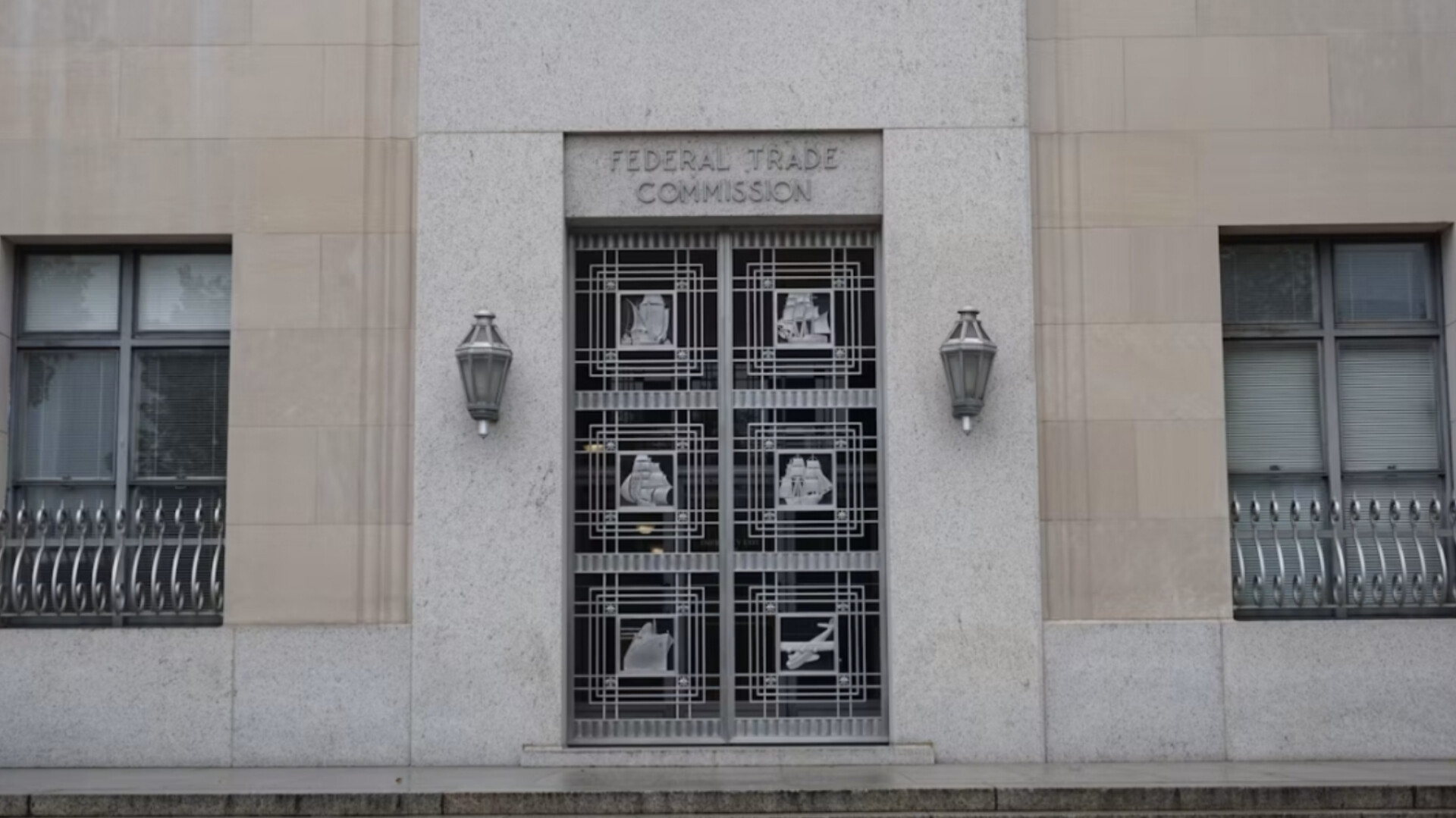
The Federal Trade Commission and 12 state attorneys general sued Oct. 19 to stop PlayPower from buying BCI Burke, saying the merger of two major commercial playground equipment makers would raise prices for schools, parks and churches and cut innovation. The agency announced the case in federal court in California.
What the FTC Filed Against PlayPower and Burke
The lawsuit targets Platinum Equity, a private equity firm, and its portfolio company PlayPower, which wants to acquire BCI Burke. According to the FTC, the case was filed in the U.S. District Court for the Northern District of California. The agency lists the matter under the reference “PlayPower, Inc./BCI Acquisitions, Inc., FTC, et al. v.” and file number 261-0057. It has not posted a separate docket number on its release page.
The Commission voted 2-0 to authorize staff to seek a permanent injunction. That is the remedy a court would use to bar the deal for good, as opposed to a temporary hold while the case proceeds.
Twelve states joined as co-plaintiffs: Arizona, California, Colorado, Illinois, Nevada, North Carolina, Ohio, Pennsylvania, Tennessee, Texas, Washington and Wisconsin. The list includes North Carolina, where PlayPower is headquartered, and Wisconsin, where Burke is based.
The FTC also posted a redacted version of the complaint on its site. The allegations below come from the agency’s description of that filing. They are claims, and neither company has had a chance to answer them in court.
How Concentrated the Playground Equipment Market is
The complaint alleges that five companies, PlayPower and Burke among them, own more than a dozen playground equipment brands and together hold 85% to 90% of the U.S. market. The FTC says the deal would significantly increase concentration in a market that is already concentrated.
Here is a calculation based on that range, not a figure from the FTC. If five firms split 85% of a market, the average share is at least 17% per firm. Burke and PlayPower would not need to be average to matter. A merged firm with a larger share than any rival would sit near the top of a market where just five sellers account for nearly all sales.
The FTC says the deal is presumptively unlawful under case law and under the 2023 FTC and Justice Department merger guidelines. Those guidelines set two structural tests. One applies when a merger leaves a market with a Herfindahl-Hirschman Index above 1,800 and raises the index by more than 100 points. The other applies when the merged firm holds a share above 30% and the index rises by more than 100.
The guidelines say the presumption “can be rebutted or disproved,” which means the companies can try to show the deal would not harm competition. The FTC release does not say which test it relies on or give the index figures. Those numbers would appear in the complaint and in any expert reports filed later.
What Buyers Could Pay If the Deal Closes
The FTC says the deal would eliminate head-to-head competition between PlayPower and Burke, which it says has given customers lower prices, better service, higher quality and more innovation. It also alleges that PlayPower has already raised its prices sharply in recent years and that the acquisition would let it charge more.
The buyers the agency names include schools, churches, and parks and recreation departments.
Daniel Guarnera, director of the FTC’s Bureau of Competition, said in the release that PlayPower and Platinum Equity want to eliminate “one of PlayPower’s fiercest competitors.” Guarnera also said that governments spend hundreds of millions of dollars a year on playgrounds, according to the release. He described playgrounds as an indispensable part of daily life for millions of American children and their families.
The complaint also raises a point that rarely appears in merger cases: the independent sales representatives who sell playground equipment. The FTC alleges those representatives could face lower commissions or worse terms if the two companies combined. Burke has said its national network of independent sales representatives is a feature of its business. The FTC’s claim is that a larger PlayPower would hold more bargaining power over the people who sell for both brands.
The Companies and the Original Deal Terms
PlayPower announced its agreement to buy Burke on Feb. 13. In the announcement, PlayPower chief executive Bryan Yeazel said Burke is “a highly complementary addition to PlayPower.” Financial terms were not disclosed. The companies said closing was subject to customary conditions, including regulatory approvals, and expected in the second quarter of 2026.
PlayPower is based in Huntersville, North Carolina. It makes playground systems and other recreational and outdoor living products for schools, parks, commercial and industrial sites, residential communities, marine environments and hospitality venues. It operates manufacturing and distribution facilities in North America and Europe. The FTC says its brands include Miracle Recreation Equipment Company, Little Tikes Commercial and Playworld Systems.
Burke is based in Fond du Lac, Wisconsin. The company says it has served communities for more than 100 years and makes play environments for parks, schools, early childhood centers and residential communities.
Platinum Equity completed its own purchase of PlayPower on Oct. 31, 2025, buying it from Littlejohn & Co. The Burke agreement came about three and a half months later. Platinum Equity executives Jacob Kotzubei and Nathan Eldridge said at the time that PlayPower had room to grow across its core categories.
Timeline between Announcement and Lawsuit
A second calculation, again not from the agency, shows how long the review ran. From the Feb. 13 announcement to the Oct. 19 lawsuit is 248 days. The companies had told the public to expect a close by the end of the second quarter, June 30. The suit came 111 days after that date.
The release describes the acquisition as proposed, so the FTC’s own wording indicates the two companies have not yet merged. The agency’s release does not explain why the review took longer than the companies projected, and it does not say whether the companies agreed to hold off closing while the case proceeds.
What Happens Next in Court
The case now moves through the Northern District of California. The FTC and the states must prove that the merger may substantially lessen competition. Because the agency says the structure of the market creates a presumption of illegality, PlayPower and Platinum Equity would then have to offer evidence that rebuts it, such as proof of entry by new competitors or efficiencies that benefit buyers. The FTC release does not mention a settlement, and it describes the relief it seeks as a permanent injunction.
For customers, nothing changes in the near term. Schools and parks departments that buy from either company will continue to deal with two separate sellers while the case is pending, and the complaint’s claims about future prices remain allegations that a court has not tested. The agency’s media contact on the case is Juliana Gruenwald Henderson of the Office of Public Affairs.