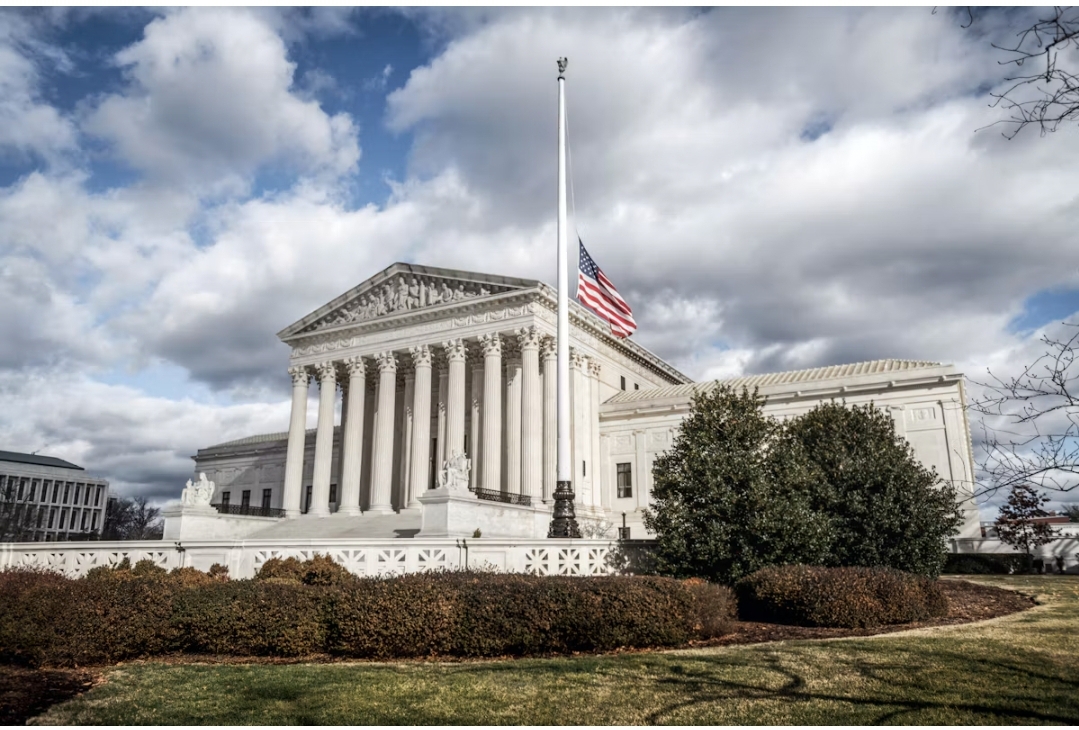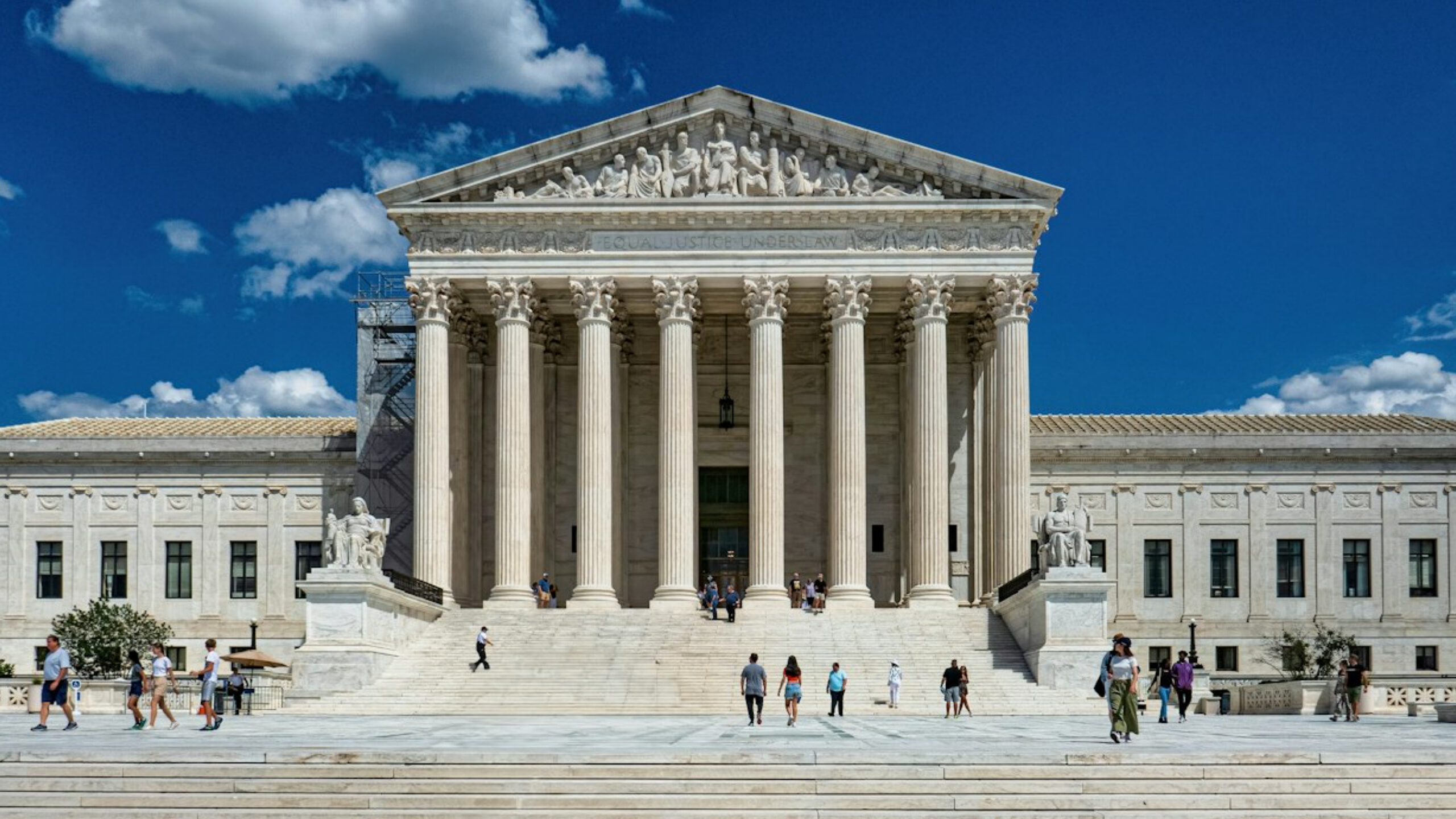
Texas sued, the Justice Department agreed and a federal judge entered judgment, all on June 22, wiping out a 2024 immigration court rule nationwide. Cities and a legal aid group asked the Supreme Court on Oct. 9 to pause that immigration consent judgment.
The one-day timeline is the applicants’ central point. “Texas sued, the government agreed, and the court entered judgment, all on the same day,” they wrote in their application. The case, No. 26A500, asks who may defend a rule when the agency that wrote it will not.
What the 2024 Rule Did
The Executive Office for Immigration Review, part of the Justice Department, issued the rule in May 2024 after notice and comment. It lets immigration judges pause, or administratively close, some deportation cases under set conditions, and it lets judges terminate cases for certain U visa holders. U visas go to crime victims and witnesses who help law enforcement.
The application says the parties’ own account describes “hundreds of thousands” of administratively closed cases. The legal aid group Centro Legal de la Raza represents 80 to 100 clients with closed cases, and Baltimore has identified at least 600 pending or approved U visa applications.
How the Case Moved in a Day
Texas filed June 22 in federal court in Wichita Falls, challenging the rule’s closure provisions as beyond the agency’s statutory authority. The parties asked for a consent judgment within hours, and the court entered it that day, vacating the rule nationwide and barring a similar rule, the application says. The Justice Department agency said it “could not, and will not defend the [Rule] in good faith.”
Baltimore, Columbus, New Haven and Centro Legal moved to intervene Aug. 7, 46 days after the judgment, a calculation from the two dates. The court denied intervention Aug. 21, finding they lacked standing, and denied a stay Sept. 2. The Fifth Circuit denied a stay Sept. 29.
The Case Against a Stay
Texas argues that the case was real when it was filed. “The Rule remained binding when Texas sued,” it wrote in its opposition, and a stay “would revive a rule the district court declared unlawful.” It says the cities’ lost-tax-revenue theory depends on a chain of independent decisions and that the applicants waited more than six weeks to seek intervention.
Solicitor General D. John Sauer, for the federal government, wrote that the applicants are trying to turn a narrow intervention dispute into an attack on the merits, and that their injuries are too indirect to confer standing.
What the Cities Say Is at Stake
The applicants argue the judgment also vacated provisions Texas never challenged and bars future rulemaking, and that it sidestepped notice-and-comment procedures by letting an agency undo a rule through a lawsuit it chose not to fight. They call the arrangement collusive. Joshua Salzman of Democracy Forward Foundation is their lead counsel, and Reed Rubinstein of America First Legal Foundation represents Texas.
The pattern is a lawsuit that ends the day it starts. Whether the applicants can challenge it depends on a standing question the district court has already answered against them.
What Happens Next
The applicants filed their reply Oct. 23, and Justice Alito’s application remains pending at the Court.