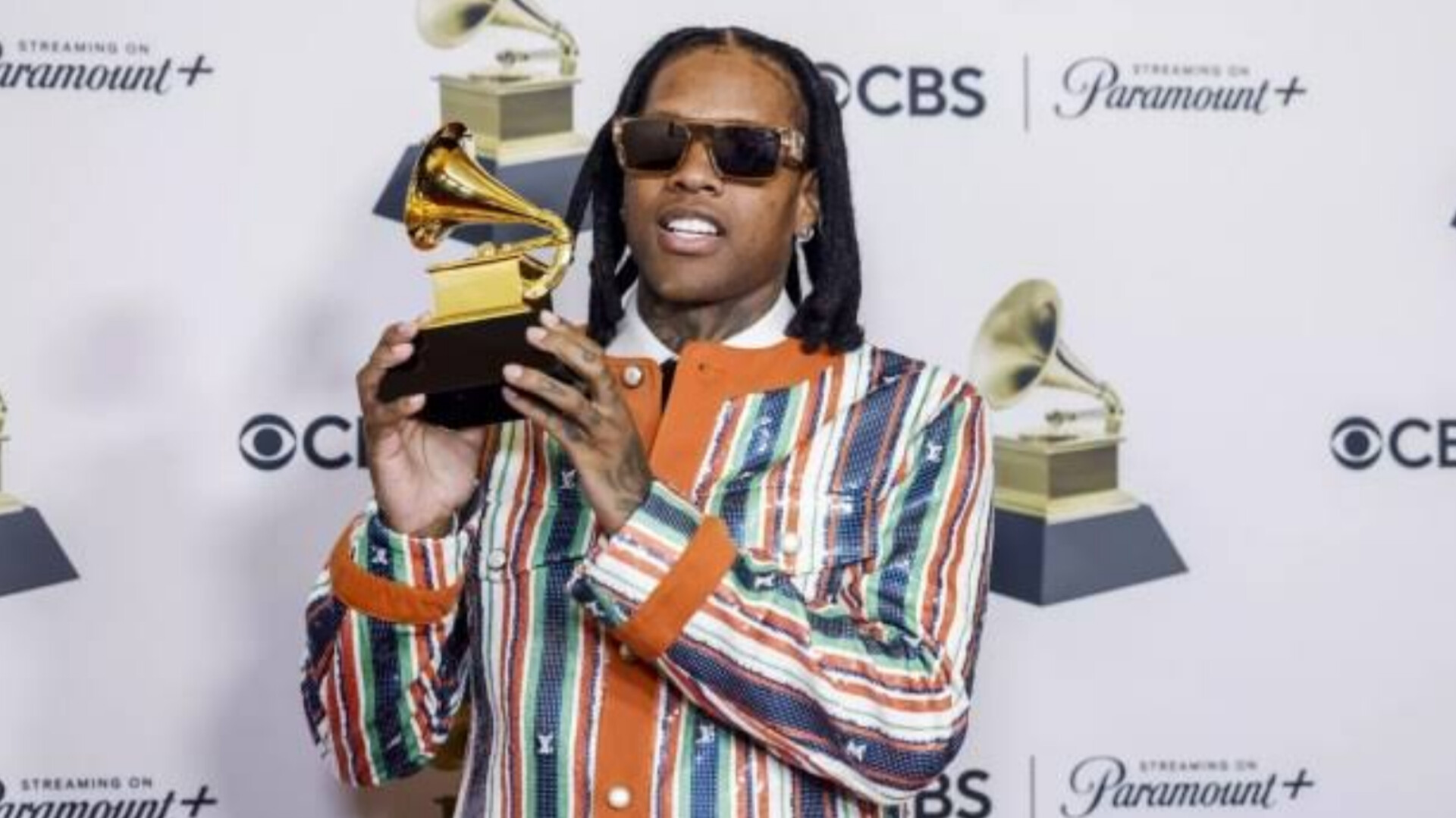
Lil Durk remains in federal custody ahead of an Oct. 5 racketeering trial, even after a jury acquitted him Sept. 11 on all charges in a separate murder-for-hire case tied to a 2022 Los Angeles shooting.
As of Sept. 18, no motion to delay the new trial had been filed by either side, according to journalist Michael Blackshire’s reporting cited by HotNewHipHop.
The Acquittal That Did Not Free Him
A federal jury found Durk Banks, 33, not guilty on all counts in his murder-for-hire trial, including conspiracy, stalking with a dangerous weapon, stalking resulting in death and two counts of murder-for-hire. Prosecutors alleged Banks orchestrated a hit team that fired at least 18 rounds at a vehicle belonging to rival rapper Tyquian Bowman, who performs as Quando Rondo, outside the Beverly Center in 2022.
The gunfire killed Bowman’s 24-year-old cousin, Saviay’a Robinson, instead of its intended target. Two co-defendants, Deandre Wilson and David Lindsey, were convicted of conspiracy to commit stalking and stalking but acquitted of the murder-for-hire counts, according to NBC Los Angeles.
Banks’ attorney, Drew Findling, said after the verdict that “the shackles must come off, and he must walk free.” First Assistant U.S. Attorney Bill Essayli said prosecutors were “disappointed with the jury’s decision regarding Durk Banks” but “look forward to presenting our evidence at his second trial, scheduled for October 5.”
The Mechanism Keeping Him Jailed
Findling’s statement did not come true, because Banks faces a second, separate federal racketeering case built on different evidence and different charges. Federal prosecutors can pursue multiple indictments against the same defendant when they allege distinct criminal conduct, and an acquittal in one case has no bearing on a separate indictment proceeding on its own timeline.
That is the specific mechanism keeping Banks in custody: he has been held since his October 2024 arrest not because of the case a jury just rejected, but because of a different racketeering and murder case that a different jury has not yet heard. U.S. District Judge Michael W. Fitzgerald has said legal teams must appear for the Oct. 5 trial date “absent a stipulation or a successful motion to continue the trial pursuant to the Speedy Trial Act,” and as of Sept. 18, neither side had filed such a motion.
The Theory Behind the Racketeering Case
Prosecutors’ theory in the murder-for-hire case, which does not carry over automatically to the racketeering case but sits in the same broader narrative, held that Banks sought revenge after an associate of Bowman’s killed his close friend, the rapper King Von, in a 2020 Atlanta nightclub shooting. Banks’ former personal assistant, Kavon Grant, testified for the prosecution, claiming he arranged the killing to impress his boss. The jury did not find that testimony sufficient to convict on the murder-for-hire counts.
What the Acquittal Changed and Did Not Change
Banks posted on Instagram after the Sept. 11 verdict that “against all odds, we’re stronger together,” and said he wanted to “help save our kids and bring unity back to our communities.” His mother, LaShawnda Woodard, said in a separate interview that she felt “like everything that has happened is my fault.” Rapper Young Thug, who used the same defense attorney, Brian Steel, in his own state racketeering case, publicly celebrated the acquittal on social media. None of that public reaction changes Banks’ custody status, since the acquittal resolved only the charges a jury actually heard.
The Speedy Trial Act Deadline Driving the October Date
Fitzgerald’s warning that both sides must appear Oct. 5 “absent a stipulation or a successful motion to continue the trial pursuant to the Speedy Trial Act” points to a specific federal statute that sets strict deadlines for bringing a detained defendant to trial once charges are filed. The Speedy Trial Act generally requires a federal criminal trial to begin within 70 days of an indictment or a defendant’s first court appearance, whichever is later, unless a judge grants a continuance for reasons specified in the statute, such as case complexity or the unavailability of evidence.
Because Banks has already been in custody since October 2024, any further delay in the racketeering case would need to clear that specific legal bar rather than simply being agreed to informally between prosecutors and the defense, which is why Fitzgerald’s comment functions as a real deadline rather than a routine scheduling note.
As of Sept. 18, neither side had filed the kind of motion that would extend it.
What Happens Next
The Oct. 5 trial before Fitzgerald covers racketeering and murder charges distinct from the case already decided. Saviay’a Robinson’s family is also reportedly pursuing a civil wrongful-death claim, which carries a lower burden of proof than the criminal cases and could proceed on its own track regardless of the outcome in either federal criminal trial.
A conviction in the racketeering case would expose Banks to additional federal prison time layered on top of the two years he has already spent in custody since his 2024 arrest, regardless of the acquittal already secured in the separate Los Angeles case.