Mielle Organics, the Black-founded hair care brand now owned by Procter & Gamble Beauty, apologized after an advertisement for its Rosemary Mint line labeled a Black woman’s fuller, natural Afro texture “weak & dull” next to a shinier, more elongated curl pattern marked “shiny & strong.”
What the Ad Showed
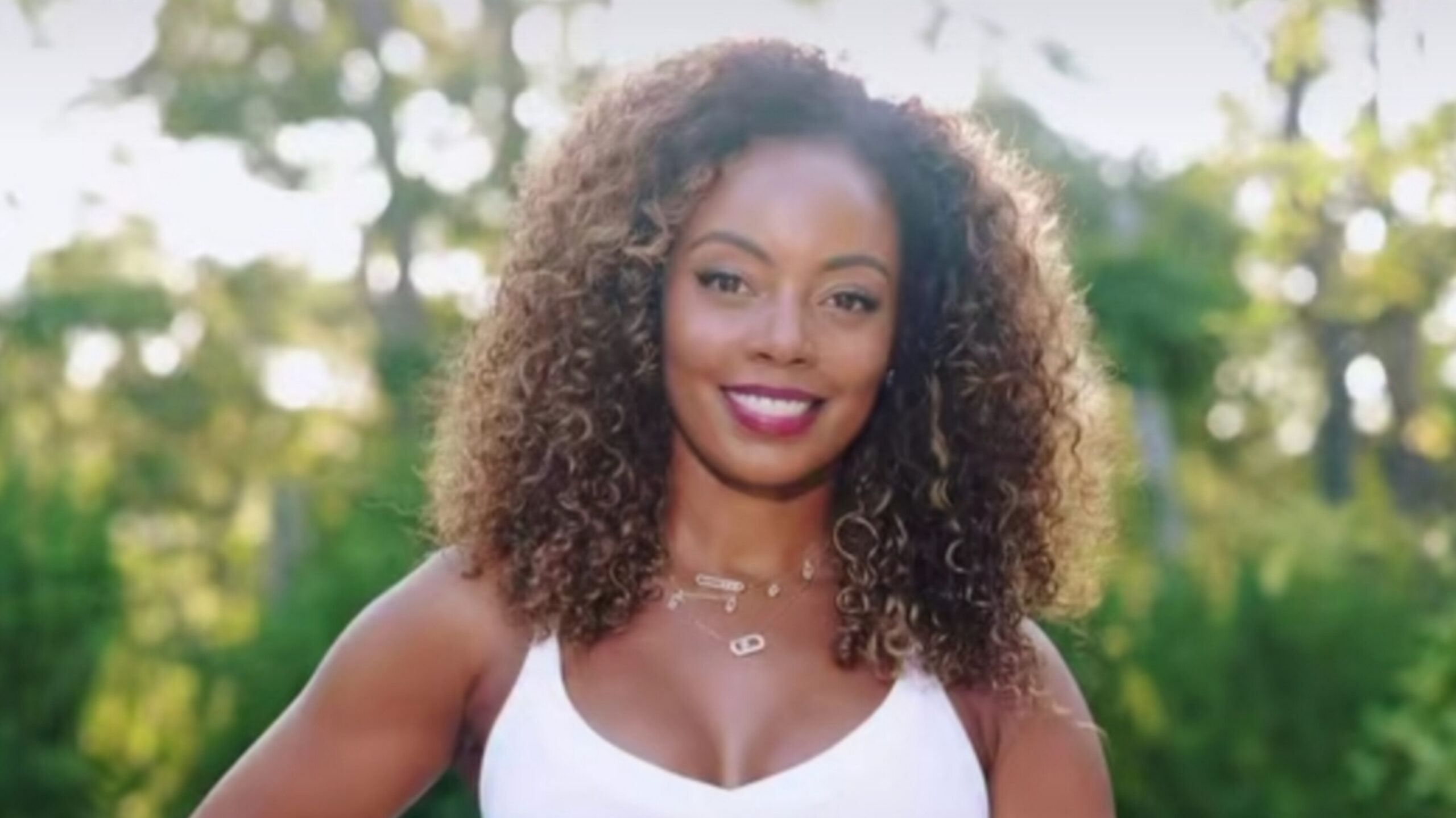
The before-and-after style ad paired two images: one showing a fuller, undefined Afro texture labeled “weak & dull,” and another showing looser, more defined curls labeled “shiny & strong.” Critics said the framing echoed longstanding beauty standards that favor looser curl patterns over natural Afro texture, a bias within Black hair culture known as texturism, according to TheGrio.
The ad drew swift criticism after it began circulating on Threads and other platforms in late August, with commentary continuing into mid-September. A Brand That Positioned Itself as the Alternative
Mielle built much of its early marketing specifically around positioning itself as an alternative to mainstream hair care brands that had historically ignored or underserved textured and coily hair types, a positioning that made its 2014 rise one of the more visible Black-owned beauty success stories of the past decade. That specific brand history is why an ad appearing to rank one natural Black hair texture above another read, to many longtime customers, as a reversal of the company’s own founding premise rather than an isolated marketing misstep from a brand without that history.
How the Backlash Spread
Creator Kiandria wrote online, “They are buying our brands and using them to sell us antiblackness,” a direct reference to Mielle’s 2023 acquisition by Procter & Gamble Beauty. Competitor brand Luster Products, maker of the Pink line, posted its own response distancing itself from the ad’s framing: “No shade, but we’re standing 10 toes down for textured, curly, and coily natural hair EVERY SINGLE TIME,” according to Atlanta Black Star.
Mielle’s Reaponse
Mielle apologized directly on Threads: “We hear you, and we agree. This wasn’t okay. Both hair textures are beautiful, full stop.” The company said the ad had actually been “rejected internally before publication” but was published regardless, adding, “That’s still on us. We own it. We apologize this happened and we’ll do better.” The apology acknowledged an internal breakdown between review and publication rather than framing the ad as an outside vendor’s mistake.
A Brand Built on Trust It Now Has to Repair
Mielle Organics was founded by Monique Rodriguez in 2014 and built its reputation and customer base specifically within the natural-hair care movement, marketing itself as a brand created by and for women with textured hair. Procter & Gamble Beauty acquired the company in 2023, a deal that at the time was widely covered as a validation of Black-owned beauty brands reaching major conglomerate acquisition.
This ad’s before-and-after framing of a full Afro as a problem to be fixed struck many longtime customers as a direct contradiction of that founding identity, which is part of why the backlash centered as much on betrayal as on the ad’s content itself.
The Debate the Ad Reopened
The controversy reignited a broader, ongoing conversation about how Black-owned beauty brands market to Black consumers after being acquired by a larger, non-Black-owned parent company. Since Mielle’s 2023 acquisition, some customers and industry commentators have watched for signs of whether Procter & Gamble Beauty’s ownership would shift the brand’s marketing away from the natural-hair-affirming messaging that built its original customer base.
This ad, and the acknowledgment that it was internally rejected before someone published it anyway, gave critics a concrete example to point to rather than a general suspicion about post-acquisition brand drift.
What Texturism Actually Means
Texturism describes a bias, often unconscious, that ranks looser, more defined curl patterns above tighter, fuller natural Afro texture, treating the latter as something to be tamed, smoothed or fixed rather than styled on its own terms. It functions inside Black communities and Black-owned beauty marketing specifically, distinct from broader racial bias, because it operates through comparisons between different Black hair textures rather than between Black and non-Black hair.
Critics said Mielle’s ad reproduced that exact hierarchy in its own beforeand-after framing, which is why the backlash centered on the ad’s internal logic, not just its choice of words.
Why “Internally Rejected” Is the Detail That Matters Most
Mielle’s admission that the ad had been “rejected internally before publication” is the detail that shapes how seriously the apology should be read. It means the company’s own review process correctly flagged the ad’s problem before it ever reached the public, which rules out an explanation centered on the company simply failing to recognize the issue. Instead, it points to a breakdown in the internal approval chain, someone overriding or bypassing that rejection, that Mielle has not yet explained in detail beyond taking responsibility for the outcome.
What Happens Next
Mielle has not announced specific changes to its internal ad-review process beyond its public apology, and the company has not said whether the individual or team responsible for publishing the rejected ad faced any consequences. As of Sept. 14, commentators including Just Add Color were still discussing the incident as a teaching moment for the broader beauty industry on texturism, suggesting the conversation is likely to continue shaping coverage of Black-owned-brand acquisitions going forward.
Founder Monique Rodriguez has not issued a separate personal statement beyond the brand’s own apology, and Procter & Gamble Beauty has not commented publicly on the incident.