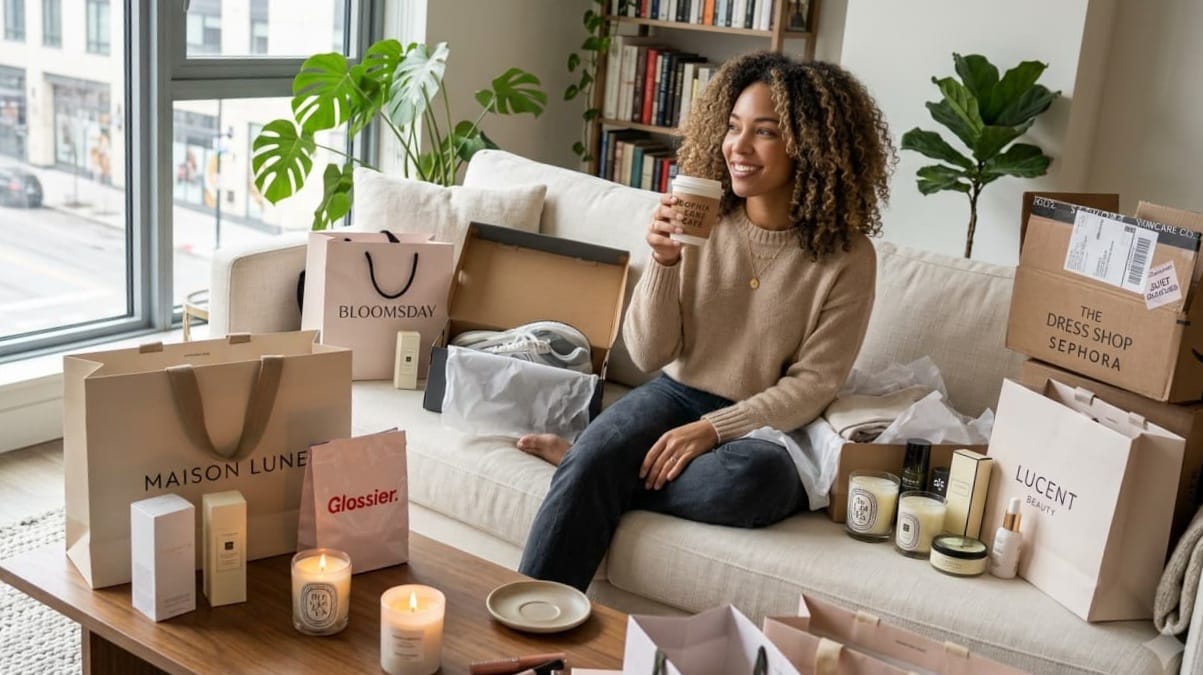
A few years ago, success was often defined by what people owned: a bigger house, a newer car, or the latest gadgets. Today, that mindset is beginning to shift. Especially among Millennials and Gen Z, more people are spending their money on experiences rather than possessions.
Instead of buying more things, many are choosing to travel, attend concerts, book wellness retreats, or create meaningful memories with family and friends. Material possessions still have their place, but for many people, the moments they create now feel more valuable than the things they own.
So, what’s driving this shift?
The Shift From Owning More to Living More
Modern lifestyles are gradually changing the way people live. More people are asking themselves: “How do I make the most out of my life?” instead of “What should I buy next?” With greater awareness of mental health and flexible work arrangements, people are now encouraged to live in the moment and create lasting memories instead of chasing possessions.
For some people, it means taking that trip they’ve always dreamed of, learning to speak that new language, taking a cooking class, or spending quality time with loved ones. The goal is simply to enrich life with meaningful memories.
The Science: Why Experiences Make Us Happier Than Possessions
Over the years, several studies suggest that experiences contribute more to long-term happiness than new shoes, phones, bags or houses. This is because experiences shape our lives in phenomenal ways. A fun day volunteering, a memorable holiday, or even participating in a race gives us greater satisfaction than new gadgets ever could.
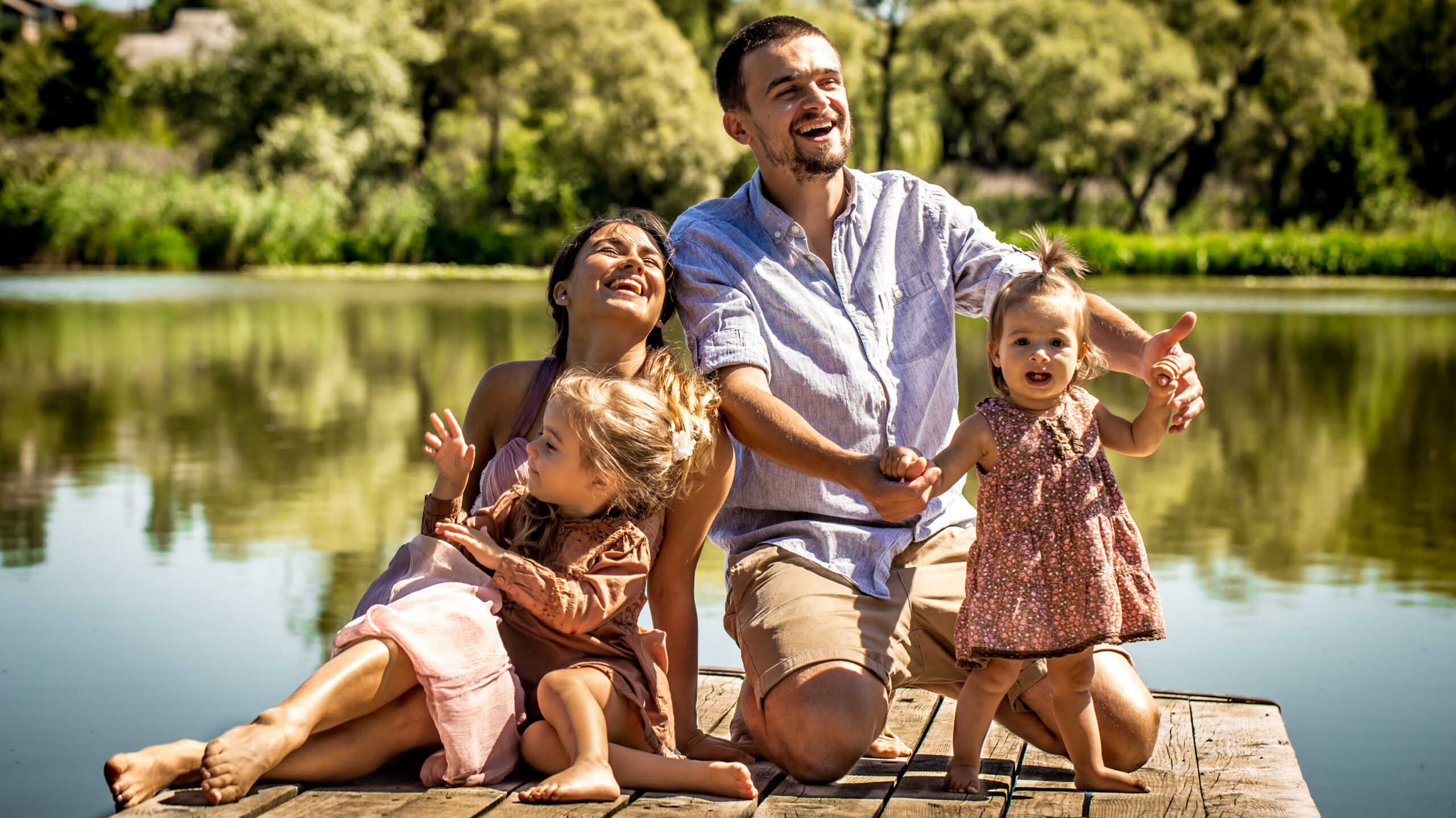
Experiences also strengthen relationships. Whether it’s a family vacation, road trip with friends, or celebrating a milestone together, shared memories create stronger emotional bonds than exchanging expensive gifts.
Psychologists describe this as hedonic adaptation. It refers to our tendency to become accustomed to new possessions over time, causing the initial excitement of buying something new to fade. Experiences, on the other hand, often continue to bring joy because people revisit them through memories, stories, and the personal growth that comes with them.
Financial and Lifestyle Benefits of Choosing Experiences
You don’t necessarily need to spend more money when choosing experiences. Instead, it often encourages you to spend intentionally. So, instead of constantly upgrading to newer versions of the same product, you can invest in your physical health or personal development. For instance, a painting class or a weekend getaway offers benefits that last a long time. With this mindset, you can reduce clutter at home and stop unnecessary spending.
Real-Life Examples: People Who Ditched Things for Experiences
Around the world, families are choosing to travel more instead of buying more. Young professionals are choosing hiking trips instead of the latest gadgets. Others are taking career breaks to pursue lifelong dreams, or volunteer before going back to work. This is also evident in simpler choices: choosing concert tickets instead of expensive handbags, or exploring local attractions instead of shopping at the mall. These choices are more about spending intentionally.

How Social Media Is Fueling the Experiences Movement
Social media has played a huge role in changing how people consume things. Instagram, TikTok and YouTube are helping people dream much bigger than their small towns. You can now see travel destinations, cultural festivals and other unique adventures all over the world. Creators are also promoting intentional living and mindful spending. All of these are helping people to prioritize memorable moments over items for a happier life.
At the same time, social media has created a hidden pressure to chase such activities for public validation, rather than genuine experiences. The best approach is to choose what you truly care about, not just something for the views and likes online.
How to Start Prioritizing Experiences in Your Own Life
You don’t need a huge budget to start prioritizing experiences. You can start small by setting aside a portion of your monthly income for activities instead of impulse purchases. Choose to attend free cultural events, visit museums, learn a new skill or plan affordable weekend trips. Something as simple as sharing a new recipe with family or a phone-free picnic at the park can create lasting memories. Most times, it’s the people we spend time with that make our experiences more memorable, not how much it costs.
Potential Downsides and How to Balance Both
Choosing experiences over possessions doesn’t mean you have to let go of physical things completely. There are still some essential purchases like quality furniture, reliable technology and practical household items. However, constantly chasing expensive trips or events can become unhealthy spending, especially if it’s for online validation.
The goal is to find a sweet balance. Intentionally invest in items that improve the quality of your life, and choose meaningful experiences.
Final Thoughts: Is the Experiences Era Here to Stay?
The growing preference for experiences over things reflects a larger shift in how people define happiness and success. Instead of measuring wealth by the number of things they own, many people now measure it by the memories they’ve created and the places they’ve explored.
Possessions still have their place, but experiences have the strongest impact because they shape our life stories and strengthen our relationships with others. For many people, the richest investments are not in the things they own, but in the unforgettable moments they have.