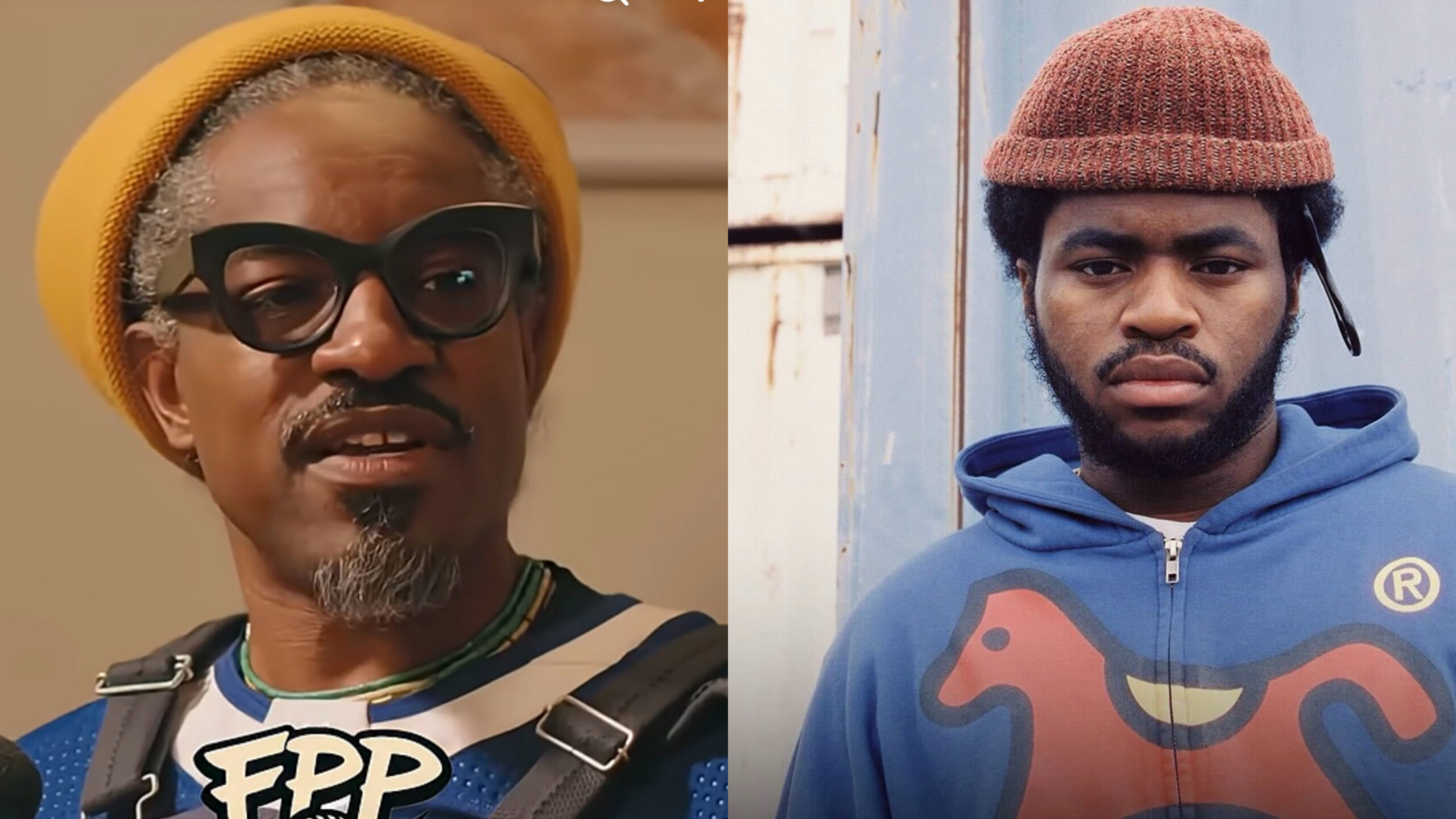
The Outkast trademark lawsuit against rapper-producer Ovrkast rests partly on a settlement he says he never signed. High Schoolers LLC, the company that holds the duo’s trademarks, sued Silas Wilson in federal court in Atlanta on Sept. 16, claiming he reneged on a promise to drop the name.
What High Schoolers LLC Alleges in the Outkast Trademark Lawsuit
The complaint was filed in the U.S. District Court for the Northern District of Georgia as case 1:26-cv-05345 and demands a jury trial. It claims federal trademark infringement, unfair competition and dilution under the Lanham Act, plus breach of contract and Georgia state-law claims. Music Business Worldwide counted 10 counts.
High Schoolers asks for a permanent injunction, damages, Wilson’s profits, trebled damages, attorneys’ fees, destruction of merchandise bearing the name and removal of online content that uses it. The complaint puts Outkast’s reach in numbers: 2.5 million Facebook followers, 1 million on Instagram and 207,000 on X, according to the summary of the filing.
The filing lists trademark registrations covering recordings, clothing and entertainment services. Registration No. 2,597,623 covers recordings, No. 2,731,201 covers clothing and No. 4,339,716 covers entertainment services, with two newer registrations, Nos. 6,974,477 and 6,974,478, covering recordings and apparel. It describes Outkast as formed in 1993, with six Grammy Awards and more than 25 million records sold.
The complaint says Wilson sells physical merchandise at live shows, performed at The Masquerade in Atlanta on July 10, 2025, and is active on YouTube, Spotify, Apple Music and Bandcamp. It lists his base as Ridgewood, New York. Music Business Worldwide described Wilson as a producer and rapper from Oakland who has worked with Earl Sweatshirt and Drake.
The Timeline of the Ovrkast Name-change Agreement
According to the complaint, High Schoolers sent a cease-and-desist letter on June 18, 2025. Wilson asked for an extension on April 7, 2026, and the two sides finalized terms on April 10, 2026. Those terms required him to stop using Ovrkast by July 15 and switch to the spelling Overkxst. High Schoolers says it notified him of breach on Aug. 5 and set a cure deadline of Aug. 11. It sued 36 days after that deadline.
Outlets differ on when the deal came together. TheGrio reported that Outkast’s lawyers reached an agreement with Wilson in June 2025. The complaint as summarized by Music Business Worldwide puts the cease-and-desist in June 2025 and the finalized terms in April 2026. The lawsuit came 455 days after the letter and 96 days after the finalized terms.
The state-law claims include a violation of a Georgia statute, O.C.G.A. 23-2-55, and a dilution claim under Georgia’s trademark law, per the complaint. The federal dilution count is the one that does not need confusion at all, because it covers harm to a famous mark’s distinctiveness.
Two details in the complaint come from after the first letter. Wilson played The Masquerade in Atlanta, the duo’s home city, on July 10, 2025, which was 22 days after the cease-and-desist letter. The Rolling Stone interview the complaint quotes also dates to July 2025. The complaint lists the show as an example of his use of the name and the interview as his own acknowledgment that fans mistook the names. Wilson’s side, in the statements quoted here, says the name came from his own work and not from the duo.
The complaint says Wilson asked on July 13, two days before the deadline, for alternative names, and kept using Ovrkast afterward. It alleges he proposed names Outkast had already rejected, per TheGrio.
Ovrkast’s Response To the Outkast Lawsuit
Wilson answered on X. “I NEVER SIGNED any agreement,” he wrote, according to Complex, adding that the arrangement was verbal and that he asked politely for a name that would work. Music Business Worldwide’s summary of the complaint says both sides finalized terms but Wilson never signed.
Wilson told Rolling Stone he had built the name and its meaning independently, ABC7 reported, and said he has deep respect for the group. In a 2025 Rolling Stone interview quoted in the complaint, he said, “I wasn’t even thinking about Outkast.” High Schoolers cites a second line from that interview, in which he acknowledged people had read his name as Outkast, as evidence of consumer confusion.
Why the Lawsuit May Not Depend On the Unsigned Agreement
By its titles, the breach-of-contract claim is the only one in the complaint that rests on the agreement. The Lanham Act and Georgia claims turn on whether consumers are likely to confuse the two names, and the complaint points to Wilson’s own words as proof of that confusion. His statement that nothing was signed does not address that point.
Complex reported that Wilson has 30 days from service to respond in Georgia federal court. High Schoolers demanded a jury trial, so a dispute over whether Wilson agreed to a name change, or only discussed one, would go to jurors if the case does not settle. The complaint’s timeline shows the two sides were talking for 15 months before the filing, and Wilson’s X posts say he kept asking for an alternative name through the deadline.