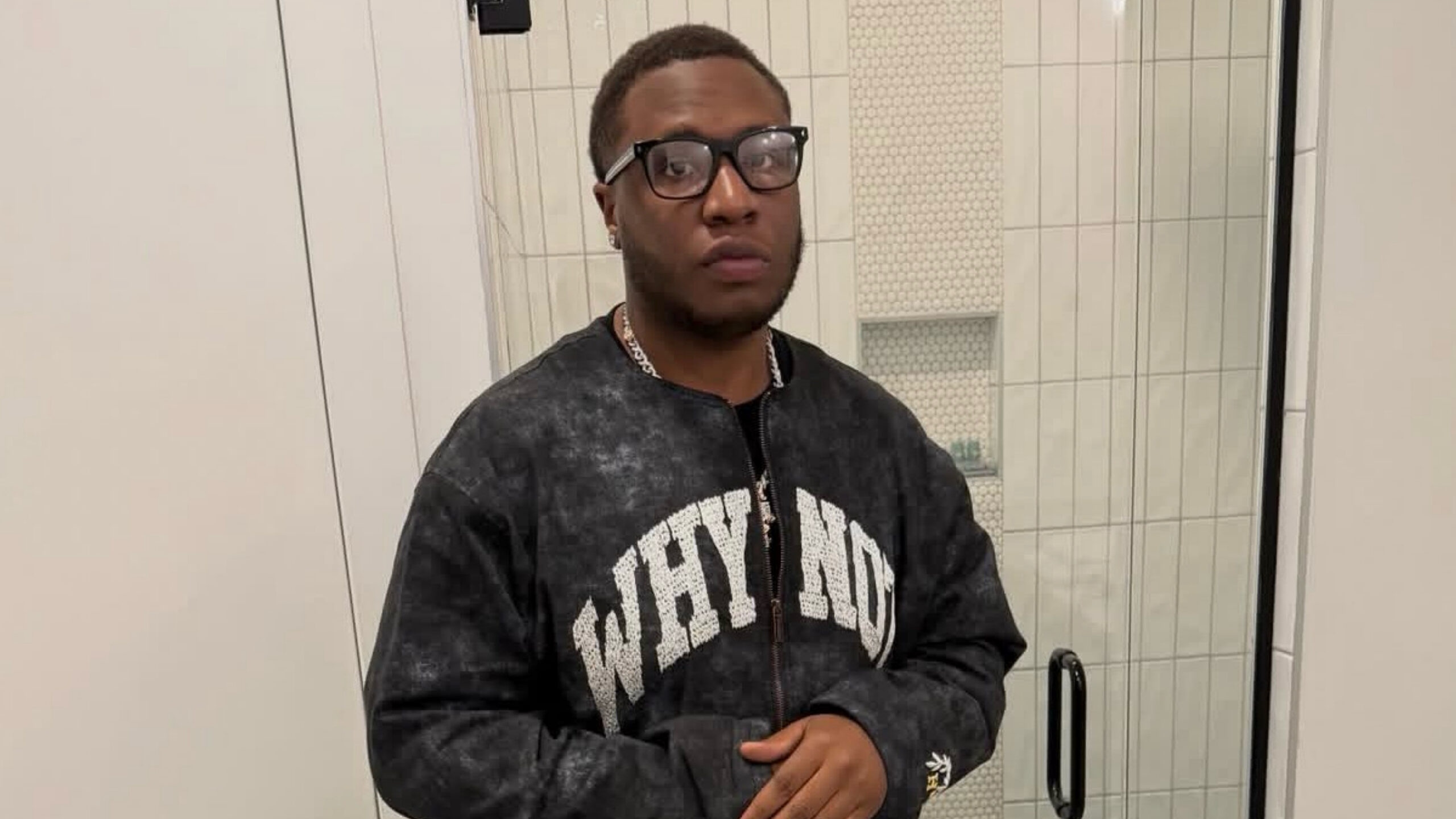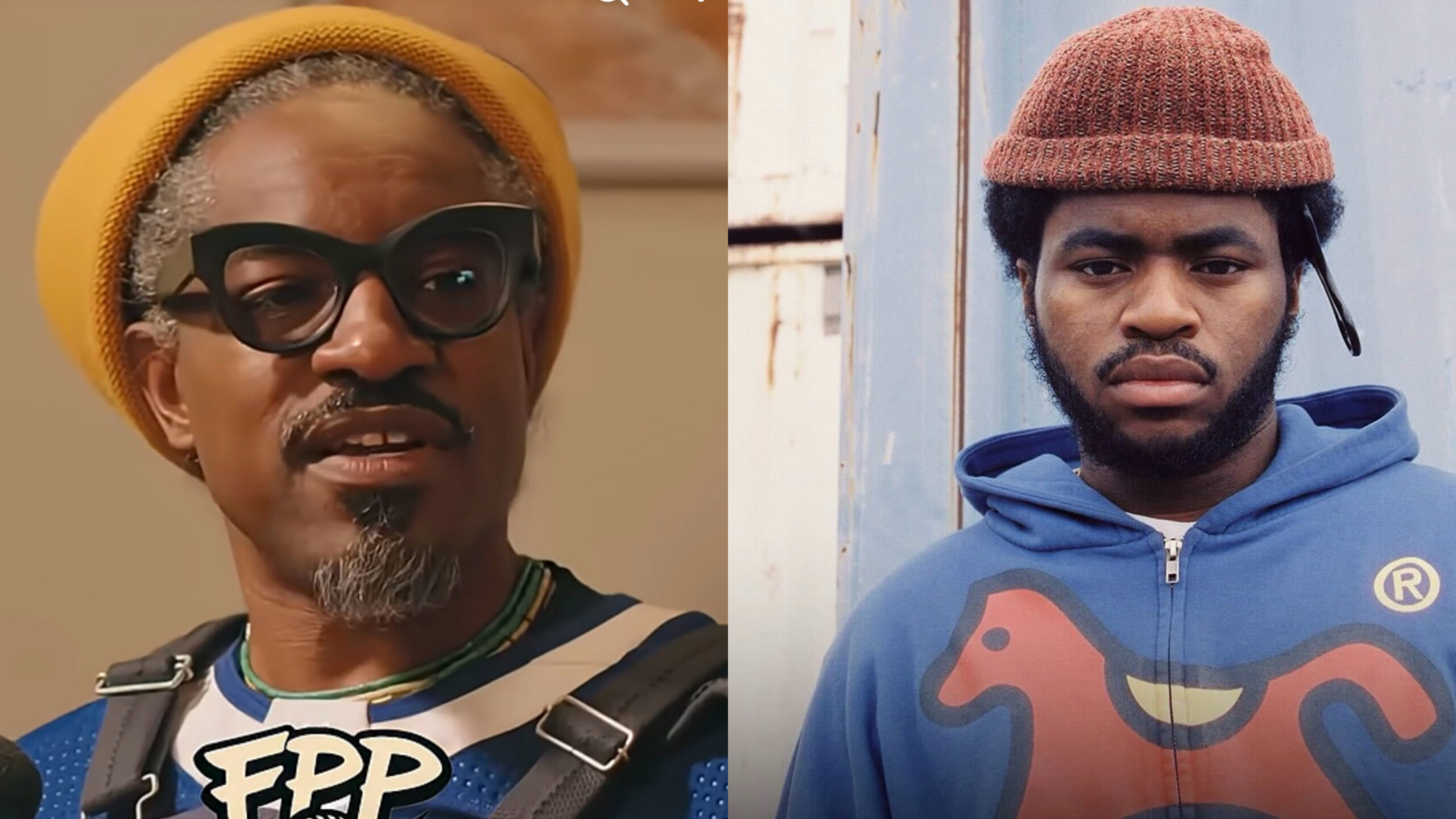
High Schoolers, LLC, the trademark entity controlled by Outkast members André 3000 and Big Boi, filed a federal lawsuit Sept. 16, 2026, against rapper and producer Silas Wilson, who performs as “Ovrkast,” alleging he broke a signed-off settlement to change his stage name.
Outkast Trademark Infringement Lawsuit Filed in Atlanta
The complaint, filed in U.S. District Court for the Northern District of Georgia in Atlanta, lists claims of trademark infringement, unfair competition, dilution and breach of a settlement agreement. The case, High Schoolers, LLC v. Silas Wilson, carries case number 1:26-cv-05345.
According to the lawsuit, Wilson had agreed to abandon the name “Ovrkast” and rebrand as “Overkxst” by July 15, 2026. High Schoolers had sent him a finalized settlement agreement on April 10, 2026, but Wilson never signed it, according to the complaint, as first reported by Music Business Worldwide.
The complaint points to Wilson’s own words as evidence that the two names cause real confusion among listeners. It cites a July 2025 interview Wilson gave to Rolling Stone in which he described fans mishearing his stage name. “They read Ovrkast [as] Outkast… they’re like, oh my God, I thought they said Outkast,” Wilson told Rolling Stone, a quote now cited directly in High Schoolers’ federal complaint as proof of audience confusion, according to Music Business Worldwide.
Ovrkast Overkxst Name Change Deal Collapsed Before Deadline
The lawsuit lays out a clear paper trail rather than a first-time dispute over the name. High Schoolers sent Wilson the finalized settlement on April 10, 2026. That agreement gave him until
July 15, 2026 roughly three months later to drop “Ovrkast” and begin performing as “Overkxst.” Wilson missed that deadline without signing the agreement, according to the complaint. High Schoolers waited about two more months before filing suit on Sept. 16, 2026, bringing the total span from settlement offer to federal complaint to roughly five months.
That timeline matters because it changes the legal footing of the case. High Schoolers is not simply asking a court to decide, for the first time, whether “Ovrkast” infringes on the Outkast trademark. It is asking the court to enforce a deal Wilson already agreed to and then failed to complete, layering a breach-of-settlement claim on top of the underlying trademark and dilution claims.
A breach claim of that kind typically gives the plaintiff a stronger opening position than filing from scratch, since the defendant’s own prior agreement to change names becomes evidence in the case rather than something High Schoolers has to prove independently through likelihood-of-confusion arguments alone.
Trademark dilution, one of the four claims in the complaint, is a distinct legal theory from infringement. Where infringement asks whether consumers are likely to confuse two marks, dilution asks whether a newer, similar-sounding name weakens the distinctiveness of a famous, established mark even without direct proof of confusion.
Outkast, as one of the most commercially successful acts in hip-hop history, fits the kind of famous mark that dilution claims are built to protect, giving High Schoolers a second legal path to the same result even if a judge found the confusion evidence alone insufficient.
Outkast Trademark Disputes Show a Pattern With Soundalike Acts
This is not the first time High Schoolers has pursued a musician over a name it considers too close to Outkast. The company settled a similar dispute in February 2026 with the electronic duo ATLiens, which performs under a name that sounds similar to Outkast’s 1996 album “ATLiens.” That settlement came roughly seven months before the Wilson lawsuit was filed.
Together, the two cases point to a consistent approach from Outkast’s trademark entity: negotiate a private settlement first, and only move to litigation if that settlement is not honored. The ATLiens matter appears to have resolved without a public court fight. The Ovrkast matter escalated to a federal complaint only after Wilson missed his own signed-off deadline, according to the lawsuit’s account of events.
High Schoolers is seeking an injunction against Wilson’s continued use of the “Ovrkast” name, disgorgement of profits, treble or punitive damages, attorney’s fees and destruction of merchandise bearing the name, according to the complaint. No specific dollar figure is listed in the suit as reported.
What Happens Next
The case now proceeds in U.S. District Court in Atlanta, where Wilson will need to file a formal legal response to the allegations. As of this reporting, he has not done so. His only public comment came in a brief post on X reacting to the lawsuit: “Ouch @Outkast,” he wrote, according to Music Business Worldwide.
Because this is a civil trademark and breach-of-contract suit, the allegations against Wilson remain just that allegations unless and until a judge rules on the merits of the case. Wilson has not publicly disputed the underlying facts laid out in the complaint, including the existence of the April 2026 settlement offer or the missed July deadline, but he also has not confirmed them in any formal capacity beyond his social media post.
The outcome will likely turn on whether the court treats the unsigned settlement as binding or persuasive evidence of Wilson’s intent, and on how much weight it gives his own 2025 remarks about fan confusion between the two names. Given the precedent set by the ATLiens settlement earlier in the year, High Schoolers’ filing suggests the company is prepared to litigate fully when a negotiated rebrand falls through, rather than let a missed deadline go unaddressed.
For Wilson, the stakes extend beyond the courtroom. A name is a working artist’s primary piece of marketing and search-engine identity, and a federal injunction barring him from performing, releasing music or selling merchandise under “Ovrkast” would force an immediate rebrand under legal pressure rather than on his own terms.
That is the same outcome the April settlement offer would have given him voluntarily, on a schedule he had agreed to, before the missed deadline turned the dispute into litigation.