When the seasonal ocean upwelling in the Gulf of Panama failed in 2025 for the first time on record, the country’s anchoveta catch fell to 11% of average and its fish oil exports dropped 88% that year, according to a study in PNAS, the Smithsonian Tropical Research Institute said on Nov. 23.
Scientists usually measure ocean change in decades. Here, a process that had worked every year on record stopped, and a national export industry collapsed within months. It is a documented case of the sea changing an economy in a single season.
How the Panama Upwelling Works
Each year, seasonal winds push warm surface water out of the Gulf of Panama. Cold, nutrient-rich water rises from the deep to replace it. Plankton bloom on those nutrients, and small fish called anchoveta feed on the plankton. In 2025, the winds did not do the job. A 2025 STRI paper reported the failure and predicted the effects would reach the fishery. The new paper measured them.
What Happened to Panama’s Anchoveta Fishery
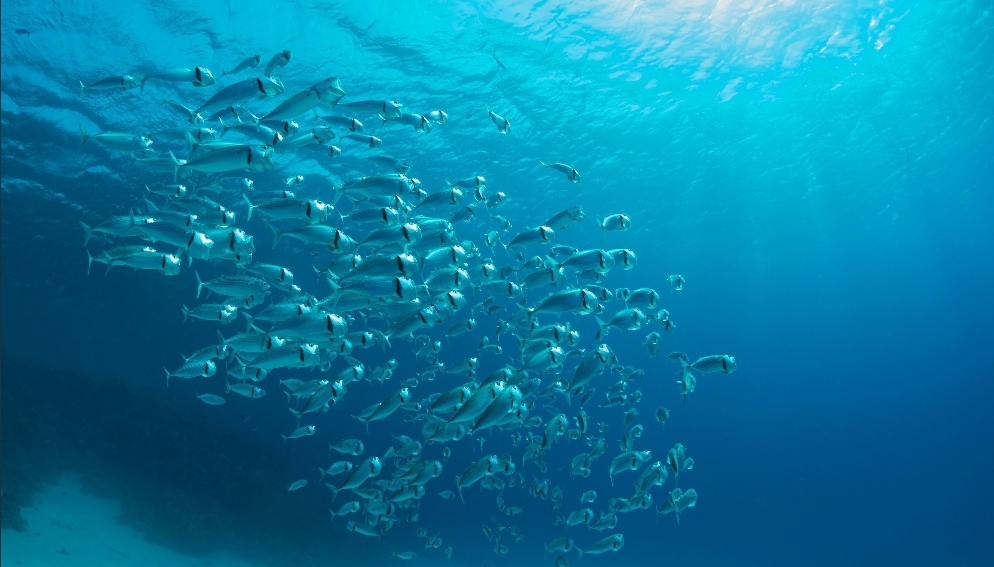
February 2025 plankton production fell by almost two-thirds, the lowest in 32 years of records, the institute said. Each net haul held less than a third of the usual number of anchoveta, and the fish were about half as fat as normal. Landings fell to 11% of average, the lowest in 60 years. “Last year we predicted the failure would ripple up the food chain. What surprised us was the speed,” said Andrew Sellers, a postdoctoral fellow at STRI and co-first author.
The researchers found almost no juvenile fish. “There were almost no young anchoveta,” said Carolina Chong-Montenegro, also a postdoctoral fellow and co-first author. The team combined company delivery and nutrition records, government landings data going back to 1956, more than 3,000 net hauls, ocean measurements and customs data.
Why the Fish Oil Collapse Matters
Panama’s anchoveta are processed into fishmeal and fish oil, which feed fish farms and go into supplements worldwide. In years without copper exports, those products made up 5% to 7% of Panama’s goods exports, the institute said. A calculation from the study’s figures: landings at 11% of average is an 89% drop, almost exactly the 88% fall in fish oil exports. Almost none of the lost catch was replaced from elsewhere.
The upwelling returned in 2026, and catches recovered. That recovery is the reassuring part of the study. The worrying part is what comes next: a strong El Niño is underway, and the researchers expect warm, nutrient-poor water in 2027. “We cannot yet say what 2027 will bring,” said Aaron O’Dea, a staff scientist at STRI and the paper’s senior author. The team is continuing to study the effects on small-scale fisheries and fishing communities along Panama’s Pacific coast.