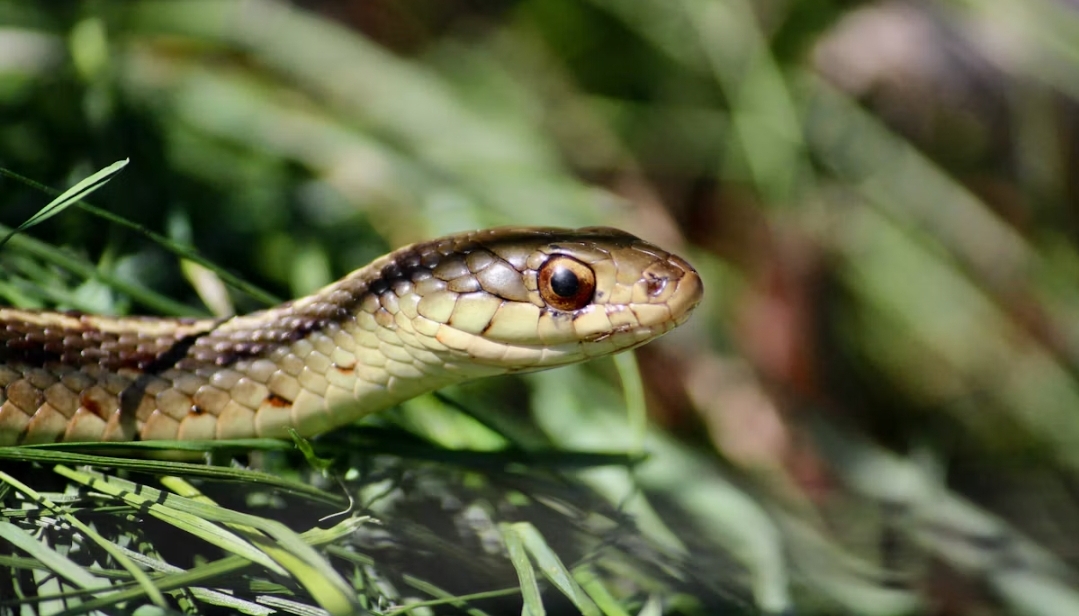
The San Francisco Zoo & Gardens and its partners released 62 young San Francisco garter snakes into the wild this fall in San Mateo County, the zoo said on Nov. 10. The zoo calls it the first successful head-starting program for the species. The snake was on the first federal endangered species list in 1967. Nearly 60 years later, its recovery plan finally has zoo-raised animals going back into its habitat.
How the San Francisco Garter Snake Program Works
In 2025, U.S. Geological Survey biologists collected pregnant females from a Midpeninsula Regional Open Space District preserve and brought them to the zoo, according to the zoo. The mothers went back to the wild after giving birth. The zoo raised the young through their most vulnerable months, a method called head-starting.
After genetic testing, about one-third of the young went back to their mothers’ home area and two-thirds went to other populations that need more animals and more genetic diversity. The zoo did not disclose the release sites.
“It represents a significant step toward the recovery of the San Francisco garter snake,” said Justin Sloan, acting deputy field supervisor at the U.S. Fish and Wildlife Service’s Sacramento Fish and Wildlife Office. Dr. Rochelle Stiles, the zoo’s director of field conservation, said watching the snakes “grow from newborns into healthy juveniles ready for release has been incredibly rewarding.”
Why the Snake Has Stayed Endangered
The snake lives only in San Mateo County and a small part of Santa Cruz County. Roughly 2,000 are estimated to remain in the wild, according to the zoo. Its threats include drought, disease, low genetic diversity, declining prey, invasive species, vehicle strikes and poaching. To come off the list, the species needs at least 10 viable, self-sustaining breeding populations of at least 200 snakes each, according to the zoo.
That is the original angle on the release. Ten populations of 200 is 2,000 snakes, about the number estimated alive today, a calculation from the zoo’s figures. The total count is close to the target. The problem is where the snakes are, scattered across too few healthy populations. Moving two-thirds of the young into populations that need them goes at that problem directly.
What Comes Next for the Program
More than 130 additional young snakes were born at the zoo this year, with another round of releases planned for 2027. That would more than double this year’s 62. The partners include the Midpeninsula Regional Open Space District, the USGS, the National Park Service’s Golden Gate National Recreation Area, the U.S. Fish and Wildlife Service, the California Department of Fish and Wildlife, the Golden Gate National Parks Conservancy and the San Francisco Recreation and Park Department.