Consumer prices rose 0.6% in September and 3.7% over the past 12 months, the Bureau of Labor Statistics said Oct. 14. Gasoline rose 9.1% in the month and, in the bureau’s words, accounted for “over half of the monthly all items increase,” according to the CPI release.
What the Bureau of Labor Statistics Reported
The bureau’s CPI release put the seasonally adjusted gain for all items at 0.6% in September, after a 0.4% rise in August. Over 12 months, the all-items index rose 3.7% before seasonal adjustment. The 12-month rate was 3.4% for the period ending in August.
The index for all items less food and energy, known as core, rose 0.3% in September, the same pace as in August. Its 12-month rate was 2.6%, up from 2.4% a month earlier. The CPI for All Urban Consumers stood at 336.940 on a base of 1982-84 equals 100. The bureau‘s chained version of the index, the C-CPI-U, rose 0.5% on the month and 3.5% over 12 months.
The gap between the two rates shows where the pressure sits. Headline inflation of 3.7% runs 1.1 percentage points above core inflation of 2.6%, a calculation from the bureau‘s two figures. Food is up 2.5% over 12 months, below the headline rate, so the energy index, up 20.4%, accounts for the gap.
Gasoline and Energy Drove the Increase
The bureau said the energy index rose 5.2% in September after a 2.1% increase in August. Over 12 months, energy is up 20.4%. Against a headline rate of 3.7%, that is a ratio of about 5.5 to 1, a calculation from the release.
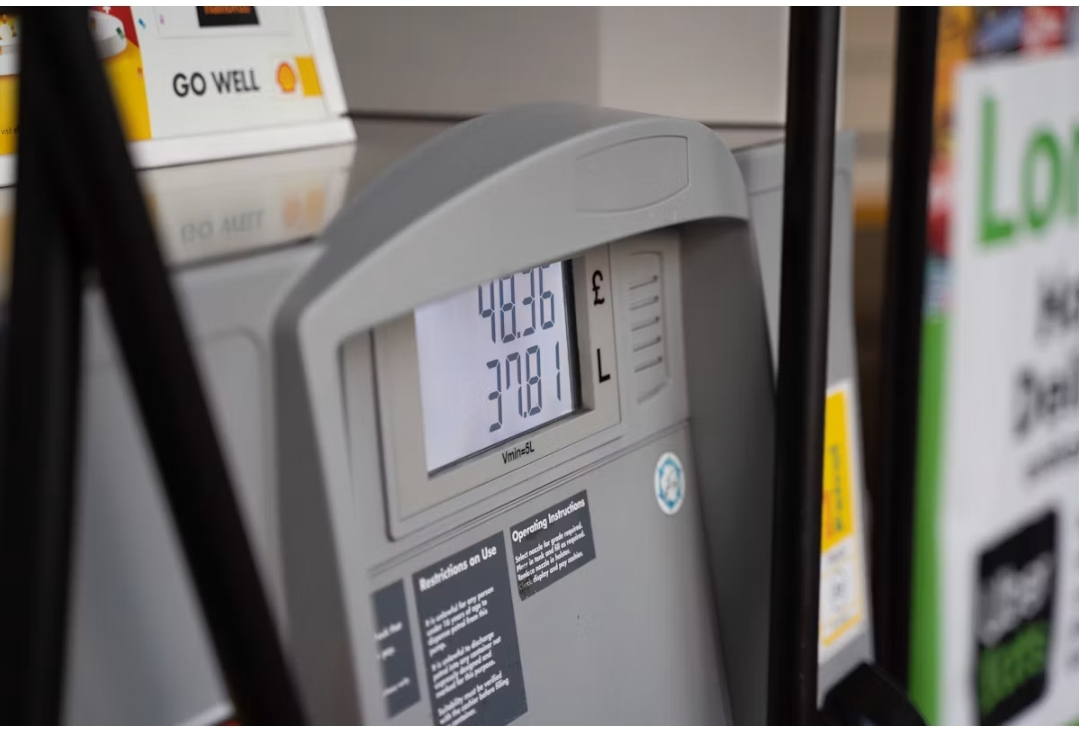
Gasoline did the heaviest lifting. The gasoline index rose 9.1% on a seasonally adjusted basis, or 6.5% before seasonal adjustment, and it is up 34.2% from a year ago. The 9.1% monthly gain in gasoline was about 1.75 times the 5.2% gain for energy as a whole, a calculation from the release, which means the other energy components rose more slowly than gasoline.
Those other components moved in different directions. Electricity rose 0.2% in September and 4.4% over 12 months. Utility gas service fell 0.3% in the month and is up 5.0% over 12 months.
Core Prices, Food and Airfares
Outside energy, the monthly readings were modest. Shelter rose 0.4% in September after a 0.3% gain in August, and it is up 3.2% over 12 months. Medical care rose 0.1% in the month and 1.5% over 12 months. Within it, medical care commodities fell 0.7% in the month and 3.3% over 12 months, while medical care services rose 0.3% and 2.5%.
Food was unchanged in September. Food at home fell 0.1% and food away from home rose 0.2%. Over 12 months, food is up 2.5%, with food at home up 1.8% and restaurant and takeout food up 3.5%.
Vehicles and clothing showed small changes. Used cars and trucks rose 0.7% in September but are down 1.5% from a year ago. New vehicles rose 0.2% and are up 0.6% over 12 months. Apparel rose
0.3% and is up 3.4%.
Airline fares rose 1.2% in September and are up 22.4% over 12 months. Among the categories listed in this article, only energy, gasoline, electricity, utility gas and airline fares ran above the 3.7% all-items rate. Everything else, from groceries to doctor visits, rose more slowly than prices overall.
What the Report Means for Paychecks
A separate bureau release on real earnings, published the same morning, shows what the price increase did to pay. Real average hourly earnings for all employees fell 0.5% from August to September. The bureau attributed the decline to a 0.1% rise in average hourly earnings that fell short of the 0.6% rise in consumer prices. Subtracting 0.6 from 0.1 gives the 0.5% loss.
Over the 12 months from September 2025 to September 2026, real average hourly earnings fell 0.7%. Workers paid by the hour in production and nonsupervisory jobs fared slightly worse. Their real earnings fell 0.6% both in the month and over the year. For that group, hourly earnings rose 0.2% in September while the CPI for Urban Wage Earners and Clerical Workers rose 0.7%.
Hours offered a partial offset. The average workweek was unchanged from August to September and is up 0.6% from a year earlier. A longer week adds to weekly paychecks even when the hourly rate loses ground to prices, though the release reports real hourly earnings, not weekly totals.
How the Number Compares with the Federal Funds Rate
The Federal Open Market Committee raised its target range for the federal funds rate to 3.75% to 4% on Sept. 16, and all 12 voting members backed the increase, according to the Federal Reserve’s statement. The committee wrote that inflation “remains elevated” and said the increase supports a faster return to its 2% goal.
Placed next to the September CPI rate of 3.7%, the policy range sits 0.05 to 0.30 percentage point above consumer price inflation. This article makes that comparison only to show scale. The Fed sets policy against its own inflation goal, and the committee’s statement does not mention the CPI.
The statement also pledged that the committee will deliver price stability. The September CPI adds one more monthly reading, and energy accounted for the largest share of that month’s increase.
What Comes Next
The bureau’s CPI page lists the October report for Nov. 10 at 8:30 a.m. Eastern. That report will show whether gasoline kept climbing after a 9.1% September jump and whether the 12-month rate moves above 3.7%.