L’Oréal USA and other relaxer makers settled with four women on Nov. 16, a week into the first hair relaxer cancer trial in Cook County, Illinois, Reuters reported. The L’Oréal hair relaxer settlement is confidential.
The four women got a resolution, and everyone else lost the first jury’s answer. More than 12,700 similar cases wait in federal court, and a verdict would have put a price on every one of them. A sealed number gives the rest of the docket nothing to measure against.
What the Four Women Alleged
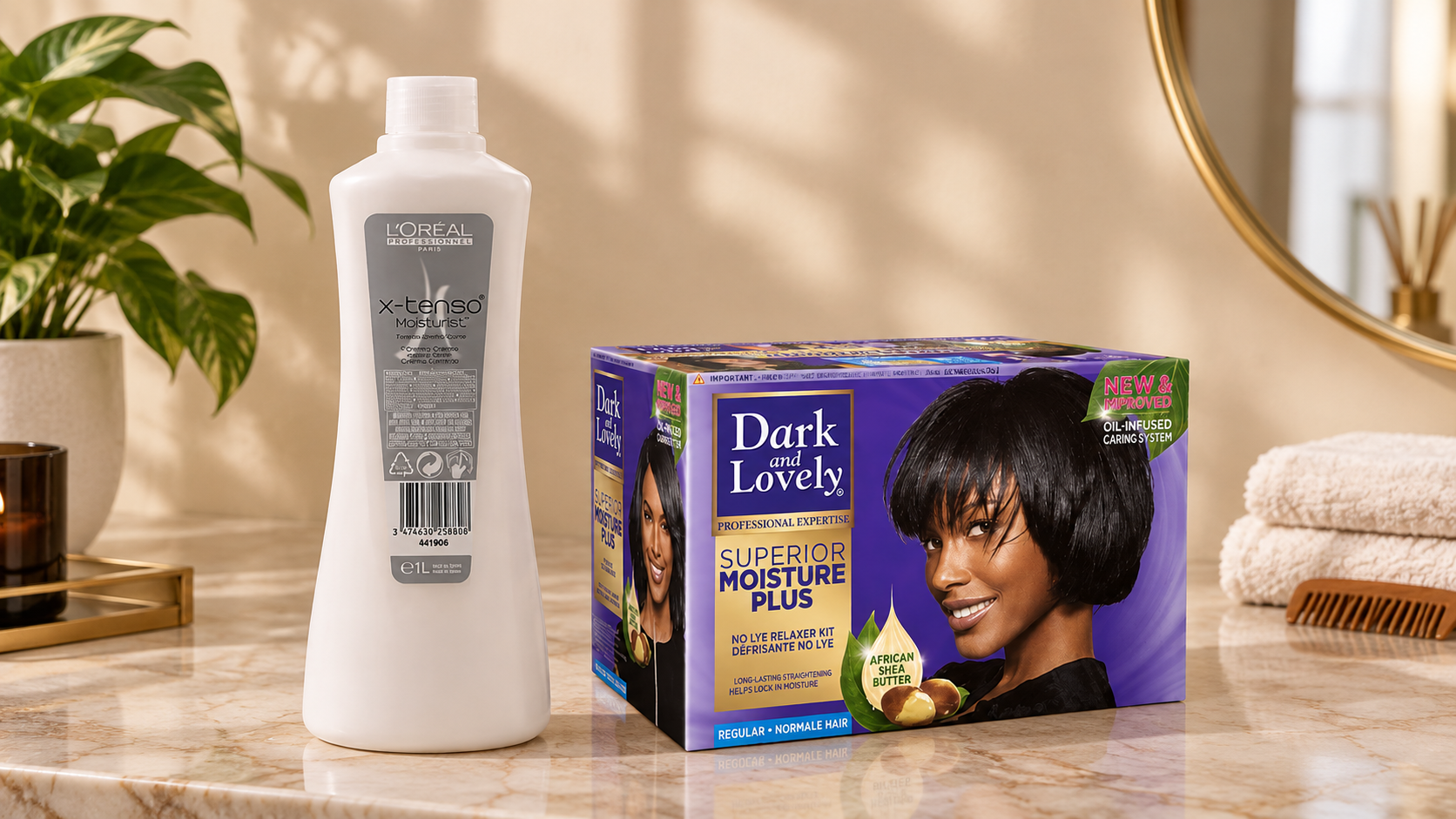
MaryAnne Lindsey, Surenthia Jenkins, Miranda Lofton and Sandra Simpson sued in 2023 and 2024, alleging that years of chemical straightener use caused gynecologic cancers, according to the Reuters report their law firm, Singleton Schreiber, posted. Jury selection began Nov. 9. The products at issue include Dark and Lovely and Optimum, sold by L’Oréal’s SoftSheen-Carson unit.
Danielle Ward Mason, the partner who represented all four, told Allure that the women “trusted the Defendants’ assurances that these hair relaxer products were safe.” She called the deal “an important step” and said the work is “far from over.” Plaintiffs’ counsel told Allure that all defendants settled.
L’Oréal disputes the science behind the claims. “L’Oréal’s highest priority is the health and wellbeing of all our consumers,” the company said in its public statement on the litigation, adding that it is “confident in the safety of SoftSheen-Carson’s products.” The statement says the federal study behind the suits “made no finding of a causal connection.” A settlement is not an admission of liability.
The Study behind the Hair Relaxer Lawsuits
That study came from the National Institutes of Health in October 2022. Researchers followed 33,497 women for almost 11 years and estimated that 1.64% of women who never used straighteners would develop uterine cancer by 70, compared with 4.05% of women who used them more than four times in the prior year, NIH said.
About 60% of the past-year users were Black women. Che-Jung Chang, an NIEHS research fellow and study author, said the findings “may be even more relevant” for Black women, who use the products more often and start younger.
How Big the Relaxer Docket Has Grown
Federal judges pulled the cases together on Feb. 6, 2023, sending them to U.S. District Judge Mary M. Rowland in Chicago when the litigation counted 53 actions in 19 districts, the panel’s order shows. As of Nov. 2, the docket held 12,743 open cases, the fourth-largest of 164 federal multidistrict litigations, court statistics show. A year earlier it held 10,723, according to the 2025 report.
That is 2,020 new cases in a year, about 39 a week, and roughly 240 times the 53 actions on the day the docket was created, a calculation from the court’s figures. Relaxer claims now make up about 6% of all 204,987 open cases in federal multidistrict litigation.
Why L’Oréal Settled before a Verdict
In mass litigation, the first verdicts set the market. Lawyers on both sides use them to price thousands of claims that will never see a courtroom. Four sympathetic plaintiffs in front of a Chicago jury could have produced a number that repriced 12,743 cases overnight. Settling a week in was the disciplined business move for L’Oréal, and it left every other plaintiff without the one data point they needed.
The best case for the deal is the women’s own. They get certain money now, without the years of appeals that follow a large verdict, and the confidential terms were theirs to accept. States are pressing a separate track that a private settlement cannot close. Arizona sued
L’Oréal and SoftSheen-Carson in Maricopa County Superior Court in a complaint dated Sept. 10 under its Consumer Fraud Act. Minnesota followed Oct. 23. “It’s outrageous that L’Oréal marketed these products to Black women and girls as safe when they knew they were not,” Attorney General Keith Ellison said. Both states seek penalties and warnings, and L’Oréal disputes the claims.
What Comes Next for Relaxer Cases
The federal docket’s first bellwether trial is set for Sept. 7, 2027, a docket entry from Judge Rowland shows, 295 days after the Cook County settlement.