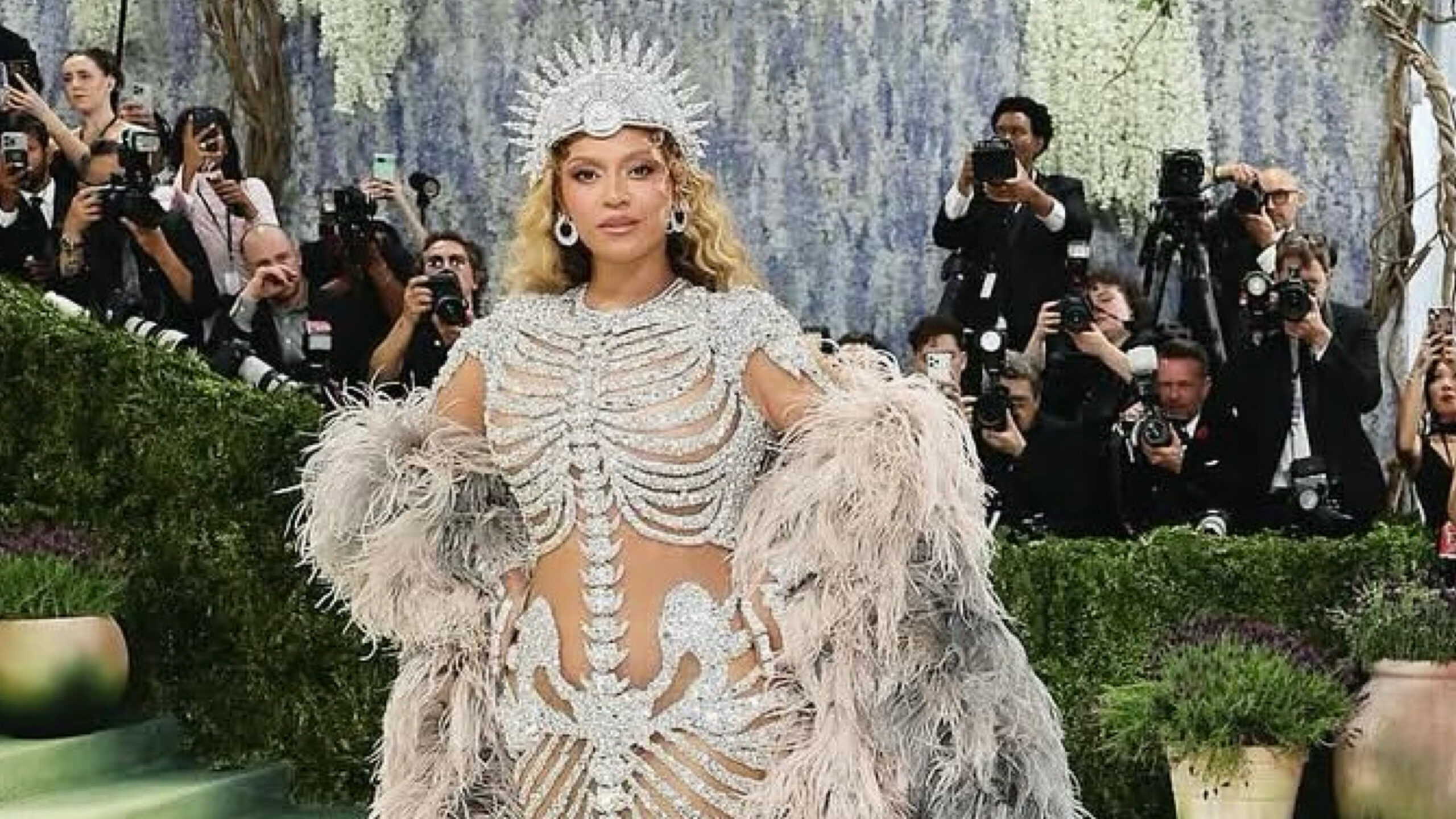
Cécred, the haircare brand Beyoncé founded in 2024, arrived in the United Kingdom on Sept. 23, 2026, through a launch with retailer Space NK, bringing the singer’s self-funded line to British shelves for the first time.
Tina Knowles Tours London Salons for the Launch
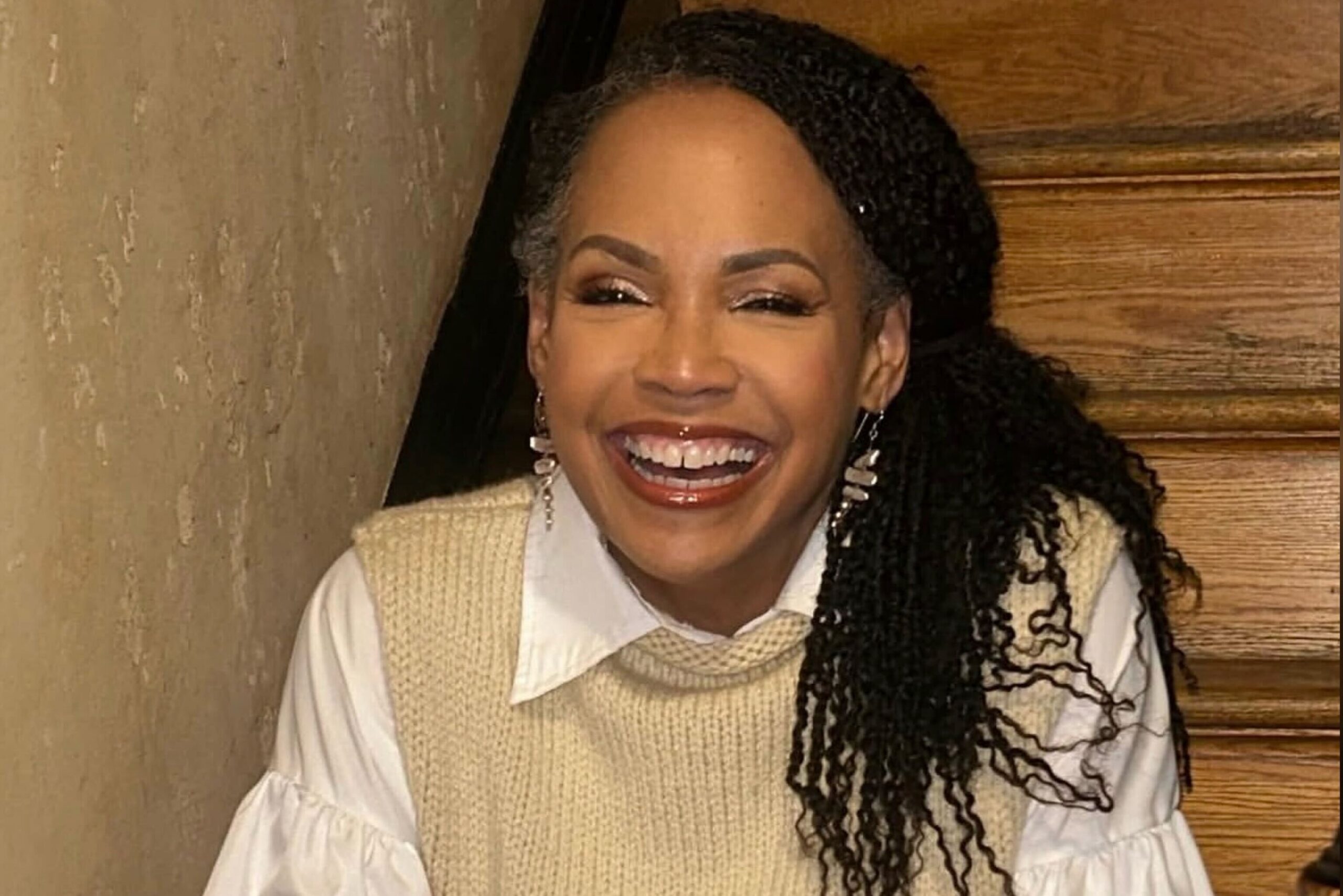
Cécred’s Vice Chair Tina Knowles and chief executive Grace Ray traveled to London for the debut, with Knowles visiting three salons across the city to introduce local stylists to the product line firsthand. Knowles, Beyoncé’s mother, has served as the brand’s public face alongside Ray since its founding, and the London trip echoed an earlier chapter of her career. “We used to travel here a lot back with Destiny’s Child, and I just felt like there was really a void in products that worked across the board for every hair type,” Knowles said.
That gap in the market shaped how Cécred approaches formulation. The brand builds its products to work across the full range of hair textures rather than defaulting to straight or loosely textured hair, a design choice that sets it apart in a haircare category where many lines still treat curly and coily textures as an afterthought. The Space NK partnership gives Cécred a foothold in a retailer known for curating prestige beauty brands across the United Kingdom, extending a strategy that has focused on retail partners with strong reputations among stylists and beauty editors rather than broad mass distribution.
The London launch follows Cécred’s debut at Ulta Beauty in 2025, which the brand and Ray have described as the most successful prestige haircare launch in the retailer’s history. That success came without a traditional celebrity marketing push. Beyoncé does not appear in Cécred’s advertising, and the company has instead grown largely through word of mouth among customers who share results on social media, a strategy Ray has credited with generating some of the brand’s most effective creative ideas.
Why Beyoncé Chose to Self-Fund Instead of Taking Investors
The detail that sets Cécred apart from most beauty startups is not on the label. Beyoncé funded the company entirely herself, turning away the venture capital and private equity money that underwrites the vast majority of new beauty brands. Ray was direct about why. “That is why Beyoncé fully funded the business on her own, to not be beholden to any other investor’s agenda,” Ray said.
The distinction carries real weight in an industry where the standard playbook runs the opposite direction. Most beauty founders raise seed and growth rounds from outside investors, trading equity and a seat at the table for capital to fund inventory, marketing and retail expansion.
That arrangement works well when a brand’s growth curve matches an investor’s timeline, but it can constrain founders who want to spend heavily on research and development before a product ever reaches shelves, or who want to expand slowly and deliberately rather than chase the scale outside investors expect.
Ray has said that approach nearly cost Cécred an early investment offer, when a prospective backer questioned why the brand needed to spend so much on testing formulas across every hair texture instead of narrowing its focus. Self-funding meant the company never had to answer to that objection. Beyoncé could keep the wider testing regimen and set her own pace for growth rather than one dictated by a term sheet.
The stakes of that independence are not abstract for a Black-owned beauty brand. The beauty industry has a documented pattern of Black-owned brands gaining early traction, drawing investor or retail interest and then losing that backing when sales projections cool or a retail partner narrows its shelf space, forcing some out of business entirely. Founder control removes that particular risk.
Without outside investors to satisfy, Cécred cannot be starved of marketing budget or dropped from a growth plan because a backer’s priorities shifted. Every decision, from formulation cost to which retailer to launch with next, stays with Beyoncé and her leadership team.
The Award Pace Behind Cécred’s Growth
Cécred has won 89 industry awards since its 2024 founding, a volume that stands out even in a beauty category that hands out recognition freely. Measured against the roughly two years between the brand’s launch and its U.K. debut this week, that works out to about one award every eight days, a rough calculation based on the brand’s own count and its founding year, rather than a figure that Cécred itself has publicized.
Few haircare brands, let alone ones still expanding into new countries, sustain that rate of recognition while also building out international retail. The pace lines up with the brand’s other early milestones. The Ulta Beauty launch in 2025 outperformed every prestige haircare debut the retailer had previously carried, according to Ray, and the brand reached that result largely on customer testimonials rather than paid celebrity promotion.
Combined with the award count, the numbers point to a brand whose growth has come from product performance and stylist trust rather than marketing spend, the same customer-driven momentum that brought Knowles back to London’s salons this week.
What Happens Next
Cécred’s U.K. rollout through Space NK gives the brand a retail base to expand further across the United Kingdom and, potentially, into other European markets that have shown demand for haircare formulated across a wide range of textures. Knowles’ salon visits in London mirror the stylist-outreach strategy the brand used domestically before its Ulta Beauty debut, suggesting Cécred plans to build relationships with British stylists before leaning on wider advertising.
With no outside investors setting a growth timeline, the brand’s next moves, including how quickly it adds retail partners or new product lines, remain entirely up to Beyoncé and her leadership team rather than a board answering to external capital.