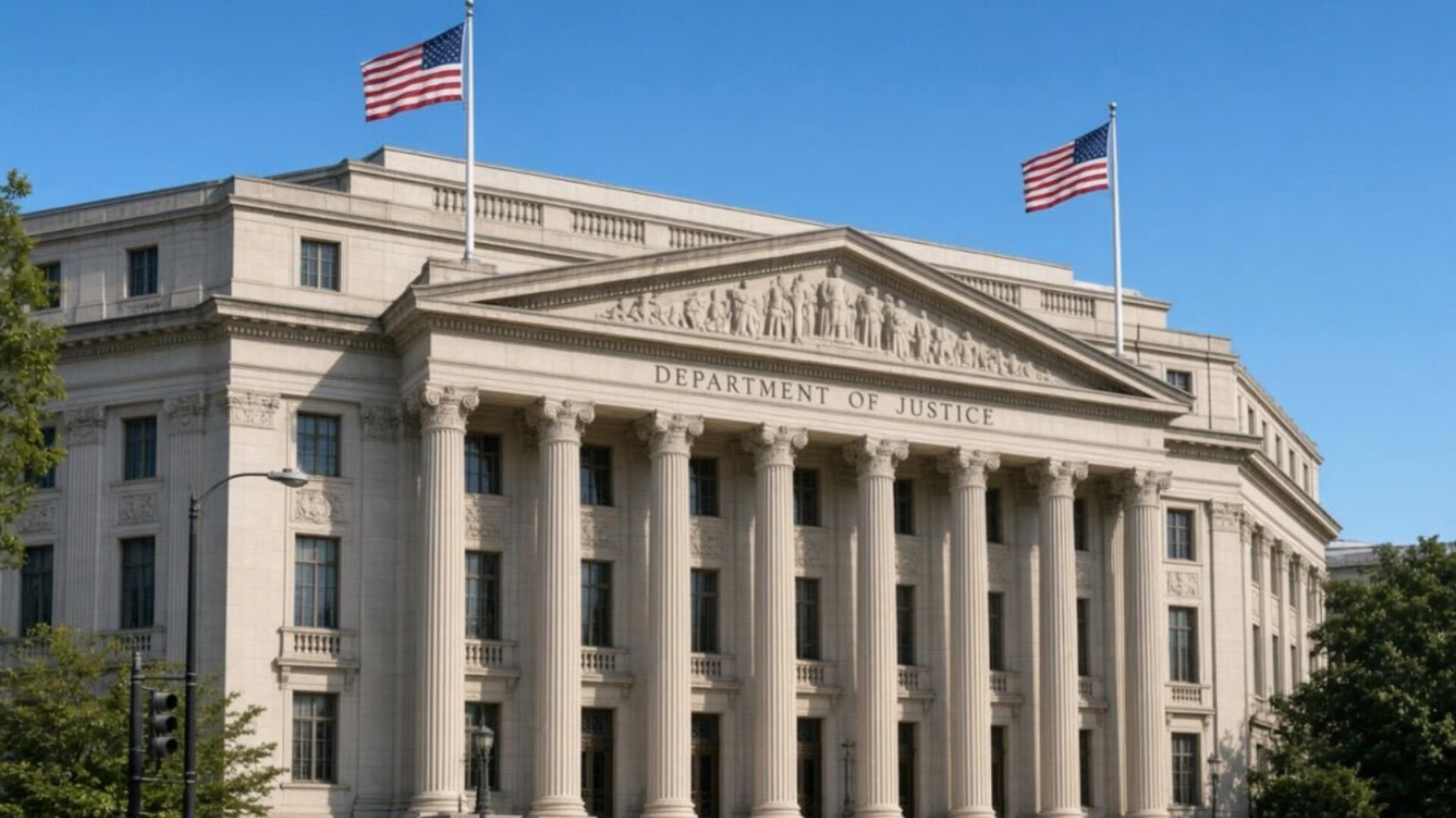
The Justice Department sued California on Oct. 15 in federal court in Los Angeles, asking a judge to bar the state from counting mail ballots from about 20,000 people it calls likely noncitizens. California’s secretary of state says the federal government has not shown why those people are on the list.
The case is United States v. State of California, No. 2:26-cv-12025, in the U.S. District Court for the Central District of California. The complaint is the government’s account. A court has not tested any of it.
What the Complaint Asks for
The United States sued California, Secretary of State Shirley Weber and Los Angeles County Registrar-Recorder Dean Logan, all in their official capacities. The complaint has a single claim. It argues that federal law on noncitizen voting, 18 U.S.C. § 611, overrides California’s practice of mailing ballots to, and counting ballots from, people the government says are likely noncitizens. It cites the Supremacy Clause.
The government asks for three things. It wants a declaration that the practice is preempted. It wants a preliminary and permanent injunction against counting those ballots until each voter’s citizenship is verified. It also wants an order that California set the ballots aside and verify citizenship, on its own or with federal agents. The complaint does not name a judge.
How the Government Built the List
The complaint says U.S. Citizenship and Immigration Services compared California voter rolls with its internal records, using third-party software and a second-level review. That produced what the filing calls a “high confidence” list. Homeland Security Investigations then added to the data before sending it to field investigators.
The complaint says USCIS did not use its SAVE verification program on California’s rolls, to the government’s knowledge. The Justice Department’s press release says the Department of Homeland Security describes its findings as preliminary, with analysis and review ongoing.
Attorney General Todd Blanche said in the release, “State-facilitated voter fraud is unacceptable in the United States of America.” The release also quotes Homeland Security Secretary Markwayne Mullin, Acting Deputy Attorney General Trent McCotter and First Assistant U.S. Attorney Bill Essayli of the Central District of California.
The Timeline in the Filing
The complaint says California mailed ballots to all registered voters on Oct. 1. It says the federal government gave the state a list of more than 20,000 names on Oct. 13 and asked it to review the names with federal agencies. If citizenship could not be confirmed, the government asked the state to set those ballots aside.
The deadline was noon on Oct. 15, the day of filing. Calculation from those dates: the government allowed roughly 48 hours between delivering the list and suing. It filed 19 days before the Nov. 3 general election.
The complaint also alleges that federal officials told the state months earlier that a preliminary review had found numerous likely noncitizens registered to vote, and that California made no serious effort to work with them. It alleges the Los Angeles County registrar rejected an encrypted thumb drive from a federal agent that held the list.
What California Says
Weber’s office disputes the government’s handling of the list. In an Oct. 14 statement, it said the Justice Department did not give the office the list. It said the Los Angeles County registrar confirmed the list arrived on a protected thumb drive with the password on a sticky note.
The statement quotes Weber as saying federal efforts to access protected voter data and purge rolls “cause chaos and fuel public distrust.” The two accounts differ on the list. The complaint says the government gave California the names. Weber’s office says the Secretary of State did not receive them.
Weber’s letter to McCotter lays out the state’s position. She wrote that the list holds about 20,000 names statewide. DHS Secretary Mullin had written on July 16 that more than 190,000 California registered voters might be noncitizens, the letter says. Calculation from those two figures: the list is about 10.5% of the earlier number.
Weber wrote that she asked DHS on July 23 for the data and methodology behind the 190,000 figure and that DHS had not provided either. She will not direct counties to withhold ballots on an unsupported belief, she wrote. If the federal government supplies evidence, her office will review it and act under state and federal law.
The Legal Arguments on Each Side
The complaint says California’s mail ballot rules are lenient. It points to California Elections Code section 3000.5, which requires officials to mail a ballot to every registered voter, and says ballot envelopes warn that voting twice is a crime but carry no similar warning about noncitizen voting. It says signatures are presumed valid and that rejecting one takes a unanimous finding by two officials.
Weber’s letter argues that federal law bars systematic removals within 90 days of a federal election, citing 52 U.S.C. § 20507(c)(2). It cites the Voting Rights Act provision against willfully refusing to tabulate votes of qualified voters, 52 U.S.C. § 10307(a). It says state law requires registrants to attest to citizenship under penalty of perjury.
The letter also cites a federal ruling, Common Cause v. DOJ, No. 1:26-cv-01352 in the U.S. District Court for the District of Columbia, dated Oct. 9. Weber wrote that the court described federal citizenship records as known to be unreliable and vacated a Justice Department policy of comparing state voter rolls with a federal database and demanding removals. She argued the Oct. 13 demand may rest on that policy. The Justice Department’s press release does not address the ruling.
Weber’s letter also points to Nevada. It says DHS first alleged nearly 16,000 potential noncitizens on that state’s rolls and, after working with Nevada, did not establish that any noncitizen was on them.
Where Voting Stands
The Secretary of State’s Oct. 16 release says all active registered voters have been mailed ballots. Mail ballots must be postmarked by Nov. 3, and drop boxes close at 8 p.m. that day. Online registration closes at midnight Oct. 19, and voters who miss it can register conditionally. The complaint asks the court for a preliminary injunction before the Nov. 3 election.