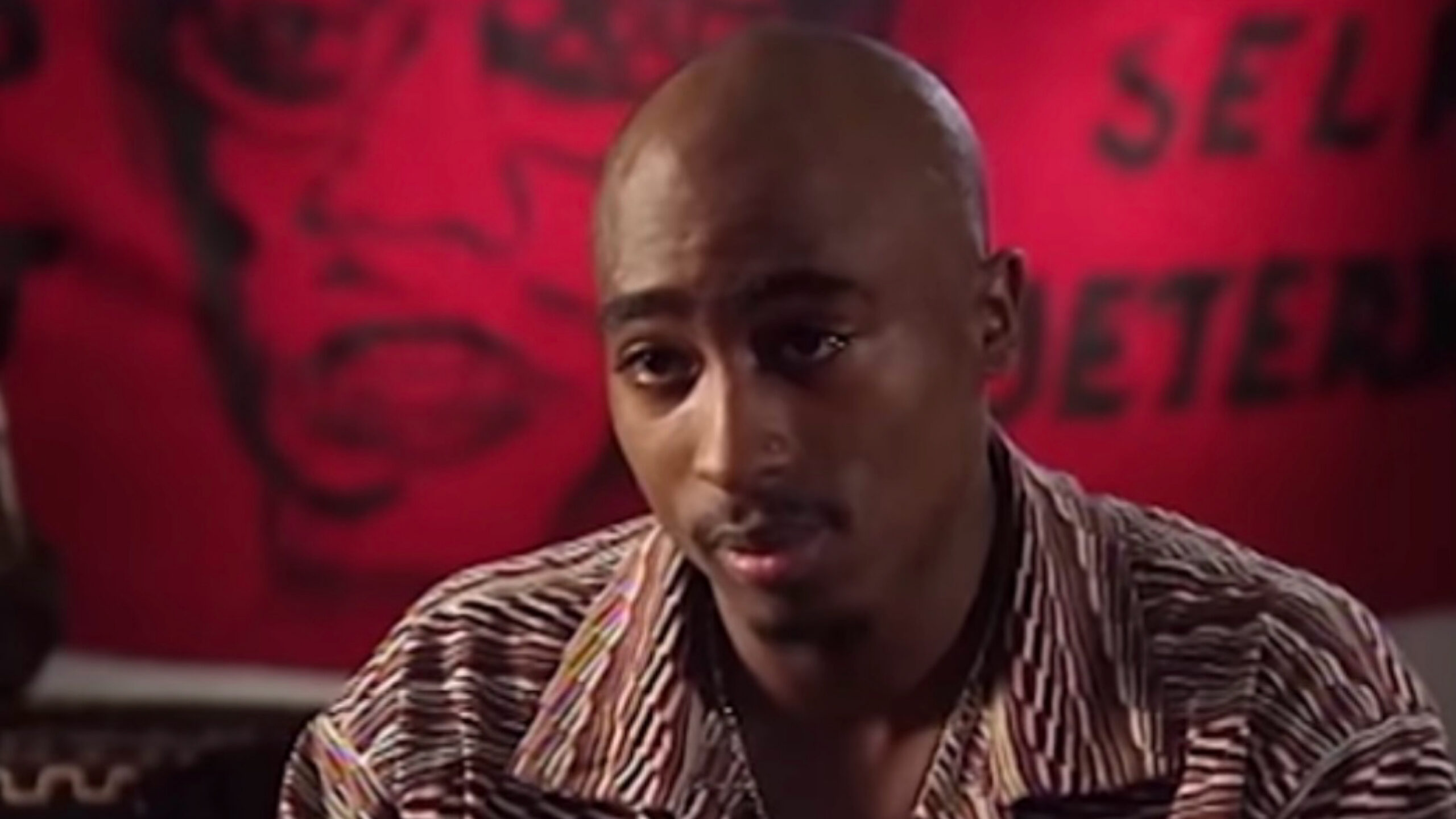
Sky Documentaries and NOW announced Sept. 23, 2026, a documentary tracing Duane “Keffe D” Davis’s murder trial through the eyes of Tupac Shakur’s family, made with the family’s direct cooperation and previously unseen archive footage, targeted for release in 2027.
Sky Commissions Family-Backed Tupac Documentary
The project comes from director Marian Mohamed, a BAFTA-winning and Emmy-nominated filmmaker, and is produced by Passion Pictures, Propagate Content and West Buttermilk. Sky Documentaries and streaming service NOW commissioned the film, which will follow the criminal case against Davis using material drawn from the Shakur family’s own archive rather than outside footage or reconstructions.
Hayley Reynolds, head of documentary commissioning at Sky, said the case has long been distorted by outside narratives. “For thirty years, Tupac Shakur’s murder has been surrounded by myth, speculation and conspiracy,” Reynolds said, according to Sky Group.
Mohamed described her goal as returning narrative control to the people closest to Shakur. “I want this film to give a voice to a family who are not just grieving, but who have taken back agency in how the murder of Tupac is viewed,” Mohamed said, per the same Sky Group announcement.
Howard T. Owens, co-CEO of Propagate Content, pointed to the enduring public fascination with the case as the reason for making the film now. “Few mysteries have captured public curiosity quite like the murder of Tupac,” Owens said.
Keffe D Davis Conviction and Sentencing Timeline
The documentary follows a criminal case that took three decades to reach a verdict. Davis was convicted of first-degree murder on Aug. 31, 2026, for orchestrating the 1996 drive-by shooting in Las Vegas that killed Shakur. His sentencing hearing is scheduled for Oct. 13, 2026.
Shakur was shot in September 1996, and no one faced criminal charges in the killing for nearly three decades. Davis’s conviction this year closed that gap, turning a case long defined by rumor and unofficial theorizing into one with a jury verdict attached to it. The new documentary is built to cover that full arc, from the evidence presented at trial through the verdict and the coming sentencing.
Sky’s announcement frames the film as a chance to move the story past speculation and toward a record built on the family’s own material and the court proceedings themselves.
Family Access Marks Shift From Defense-Linked Documentary
The timing and source material behind this project set it apart from an earlier documentary tied to the same case. That prior film was connected to Davis’s own defense team, meaning the account of Shakur’s killer had already reached screens before any project built around the victim’s family existed.
A defense-linked documentary and a family-cooperation documentary are not variations on the same film. They are structurally different projects. A film tied to a defense team draws on material controlled by lawyers building a case for their client, shaped around legal strategy and framed to support an argument in court or in public opinion.
A film built with a victim’s family draws on a different pool entirely: home footage, personal photographs and access to relatives willing to speak on the record about a loss that predates any trial.
That difference in source material produces a different film. Legal-team-controlled narrative material serves an argument. Family archive footage serves a life. Sky’s announcement emphasizes that this project uses previously unseen family archive footage, material that by definition could not have appeared in a documentary built around the defense side of the case.
The order in which these two films arrived is also notable. The defense-linked documentary came first, before a conviction existed. The family-cooperation documentary comes second, commissioned only after Davis was found guilty on Aug. 31, 2026. That sequence tracks a pattern seen in other high-profile murder cases: families are often reluctant, or unable, to participate in screen projects while a case remains unresolved or while the person accused of killing a relative has not yet been convicted. Once a conviction is secured, families gain both the legal clarity and, often, the willingness to open their own archives and speak for the record.
Reynolds’s comment about the case being surrounded by myth, speculation and conspiracy for three decades reads differently against that backdrop. A defense-linked film, arriving before conviction, operates inside that same fog of competing narratives. A family-cooperation film, arriving after a jury verdict, has the advantage of building on settled fact rather than contested claims.
What Happens Next
Davis’s sentencing hearing is set for Oct. 13, 2026, which will close the criminal proceedings that the new documentary is built around. The film itself is targeted for a 2027 release, though Sky has not announced an exact date.
Production is moving forward under Passion Pictures, Propagate Content and West Buttermilk, with Mohamed directing. Sky Documentaries and NOW have not detailed which family members will appear on camera or how much of the archive footage will be used, but the commissioning announcement makes clear the project is designed to track the trial’s evidence, its verdict and the sentencing outcome as its narrative spine.
For a case that took 30 years to move from killing to conviction, the documentary represents the first major screen treatment built from the family’s own materials rather than the legal camp of the man convicted of orchestrating Shakur’s death.