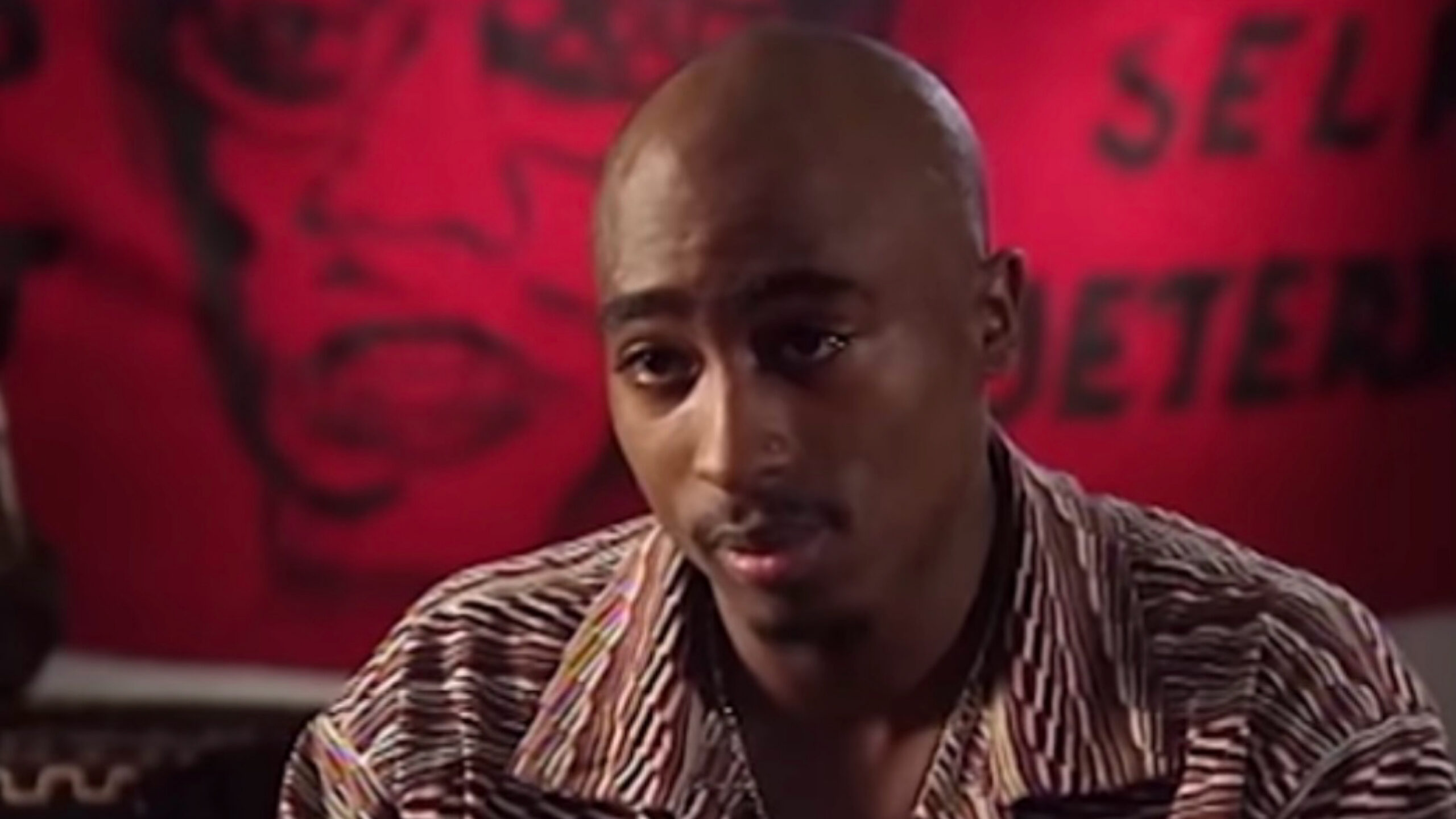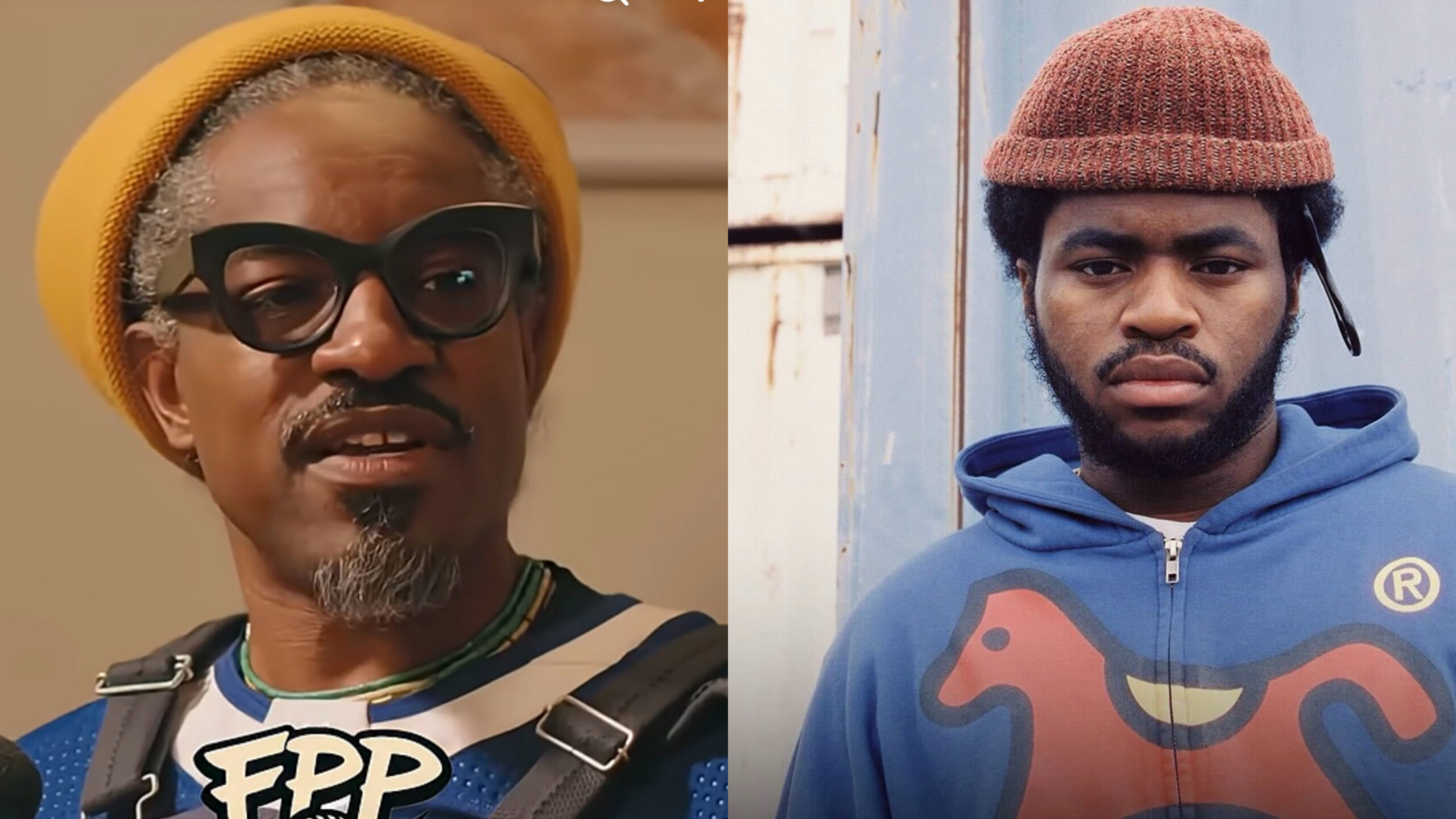
Memphis Mayor Paul Young and Memphis Public Libraries opened the Tay Keith Music Lab on Sept. 21, 2026, a permanent production space and archive built in partnership with the family of the late hip-hop producer. The city proclaimed the day Tay Keith Day.
A Permanent Space Built With the Keith Family
The Tay Keith Music Lab opened inside the Memphis Public Libraries system rather than as a standalone building or a temporary exhibit. City officials worked directly with Keith’s family to design the space, and Young’s office marked the opening with the formal Tay Keith Day proclamation.
Keith died June 18, 2026, of an accidental overdose involving ketamine and kratom compounds. He would have turned 30 this year. The lab now stands as the city’s central, ongoing tribute to him, distinct from a memorial service or a single commemorative event.
In a statement released around the opening, Keith’s family described the lab as “a living legacy where future creators can work, where history can be preserved, and a permanent record where Tay’s story can continue to be heard,” according to AllHipHop.
Beat Making 101 and an Oral History Archive
Two programs anchor the lab’s daily operation. Beat Making 101 is a curriculum for aspiring producers, teaching the fundamentals of the craft Keith built his career on. The 901Voices initiative is an oral history project that collects and preserves firsthand accounts tied to Memphis music history.
Both programs are now operational and open to the public through Memphis Public Libraries. Access runs through the library system’s existing infrastructure, meaning residents can use the lab the way they would any other library resource rather than applying for a limited program or purchasing a ticket.
Why a Library Houses the Tribute, Not a Foundation
The choice to place the lab inside Memphis Public Libraries, rather than under a private foundation or a one-time named building, changes what the tribute actually does. A libraryhoused program is funded and staffed as ongoing public infrastructure. It carries defined public hours, a repeatable curriculum and an archival function that a plaque, a renamed street or a single tribute concert cannot replicate.
Those more common forms of memorial mark a moment and then end. A street sign does not teach anyone to build a beat, and a one-time concert closes once the lights go down. The Tay Keith Music Lab instead keeps operating on the library system’s calendar, with Beat Making 101 available to any Memphis resident who walks in and 901Voices continuing to gather material indefinitely.
That structure also matches what Keith actually did for a living. He was not a performer with a solo catalog to showcase in a museum case. He was a producer, someone who built the sonic foundation other artists rapped over, largely from behind the scenes. Memphis itself carries a distinct hip-hop production lineage, home to a trap and Memphis rap sound that predates and helped shape much of what Keith later built on nationally.
Housing his tribute inside a teaching-focused public institution, rather than a static monument, extends that same behindthe-scenes, craft-based tradition to the next generation of producers coming out of the city.
Sicko Mode, Rich Flex and a Career Built on Collaboration
Keith’s production work reached some of the biggest records of the past decade. He produced Travis Scott’s Grammy-nominated “Sicko Mode” in 2019, a song that became one of the defining hits of that year. He also produced “Rich Flex” in 2024. Across his career, Keith worked extensively with both Drake and Scott, building a catalog defined by his work with other artists rather than a solo discography of his own.
That collaborative body of work is part of why the lab’s designers built it around education and archiving rather than performance. A production credit does not carry the same public-facing recognition as a hit song’s vocals, so a facility that trains new producers and records the oral history behind the sound gives Keith’s specific contribution to music a form of recognition built for how he actually worked.
The two programs also serve different functions within the lab. Beat Making 101 is forwardlooking, aimed at residents who want to learn the craft Keith practiced, while 901Voices is backward-looking, collecting firsthand accounts before they are lost to time. Together they give the lab both a training pipeline for the next generation of Memphis producers and a standing record of the scene that shaped Keith’s own career, housed under the same roof rather than split across separate institutions.
What Happens Next
The Tay Keith Music Lab, along with the Beat Making 101 curriculum and the 901Voices oral history initiative, is open now as a standing public resource through Memphis Public Libraries. No end date or sunset for either program has been announced, meaning the lab is positioned to remain part of the library system’s regular offerings rather than functioning as a limited-run tribute.
For Memphis residents interested in production, the practical outcome is straightforward access: a public facility, a repeatable curriculum and an ongoing archive, all tied to a producer whose work shaped some of the past decade’s most recognizable hip-hop records. The city’s decision to route the tribute through its library system, rather than a standalone foundation, also means the lab’s future funding and staffing run through the same public budget process as the rest of Memphis Public Libraries, tying its long-term survival to the library system’s own institutional standing rather than to a single donor or foundation board.