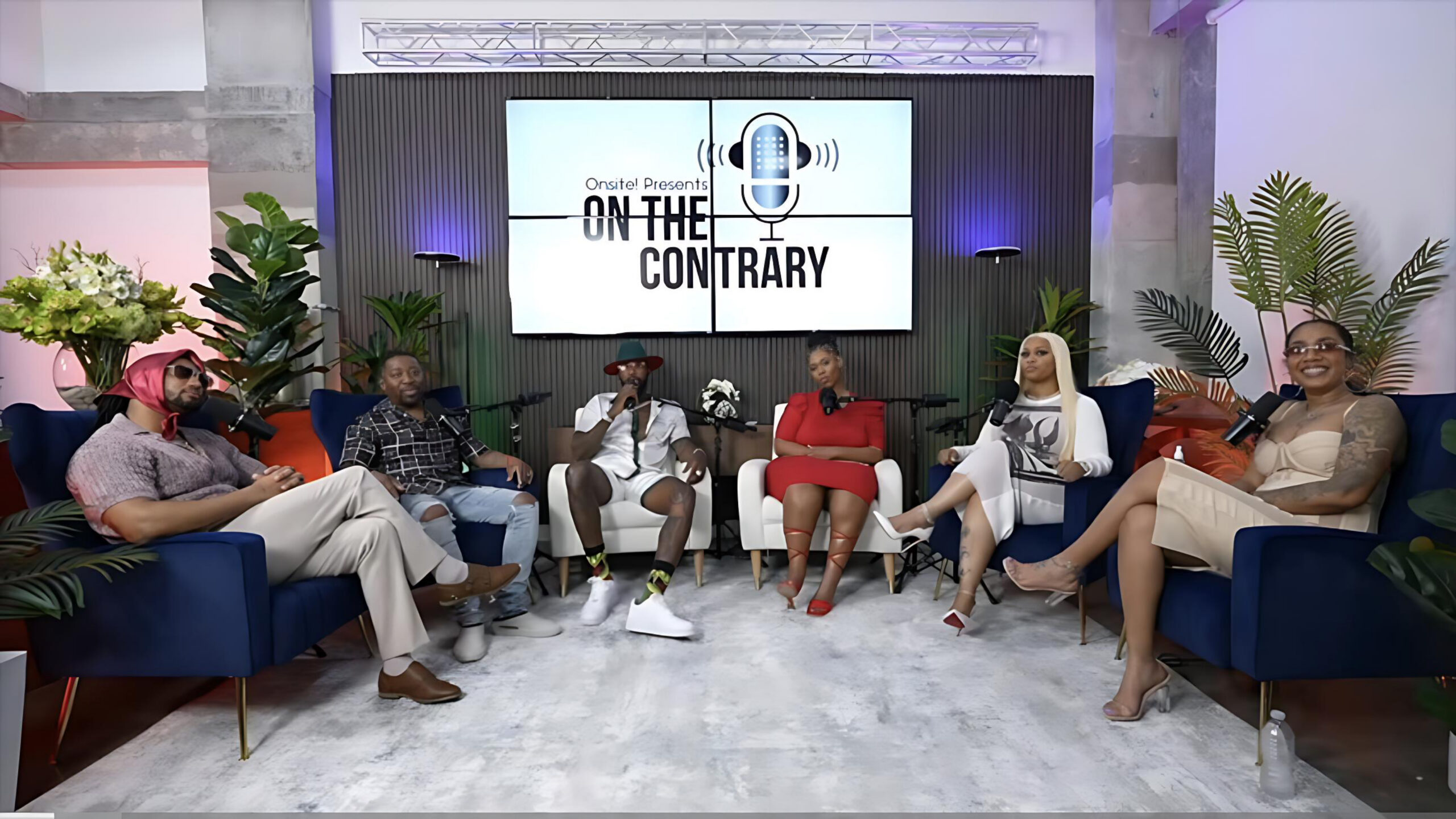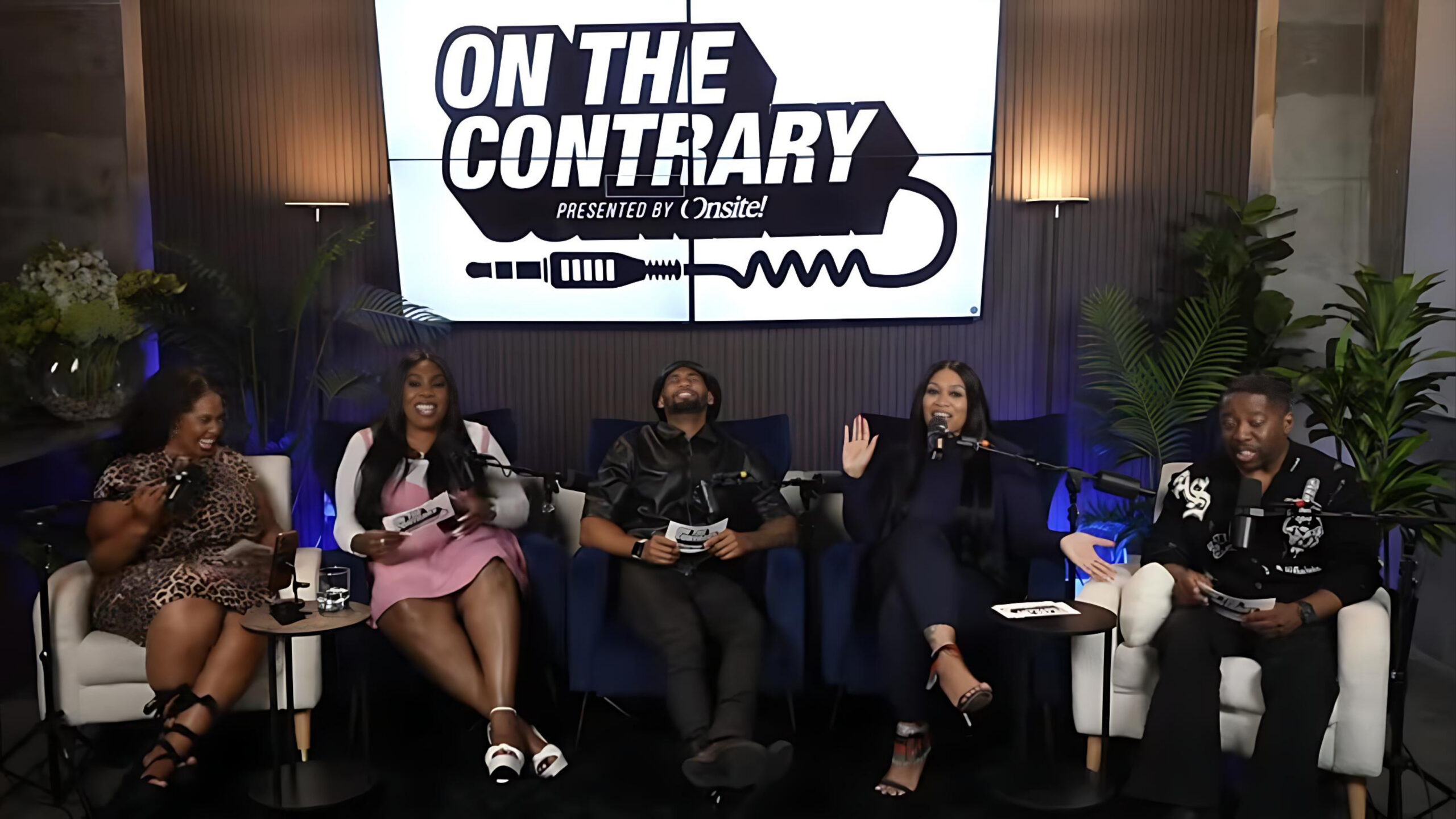
The panel opened with a simple question: When was the last time you told someone you appreciate them? Somehow, it ended up somewhere nobody saw coming. On the latest episode of On the Contrary, Rah Ali, Kash the Sexologist, Luis, Rico, and Taz dig into something that sounds basic until you actually sit with it: do we actively show appreciation in relationships, or do we just assume the other person already knows?
When Was the Last Time You Showed Appreciation?
The question gets everyone thinking about the last time they actually made someone feel appreciated. Taz kicks things off with a story that has the whole table losing it. She explains that once her financial needs were met, she decided to show appreciation in a very direct way. Her story gets the conversation going about the different ways people choose to show appreciation in their relationships.
Do We Assume People Already Know We Appreciate Them?
One of the strongest themes of the episode is the gap between feeling appreciation and actually showing it. Assuming someone already knows is not the same as making sure they feel it. The panel talks about how easy it is to get comfortable and stop putting in the effort, especially once a relationship has settled into a routine. What feels like “enough” to one person can feel like the absolute bare minimum to someone else. Love languages come up here, and the conversation makes it clear that people receive appreciation in different ways.
Research on romantic relationships backs up the importance of how partners perceive appreciation. A study of couples found that people generally underestimated how grateful their partners were, and lower perceptions of a partner’s gratitude were associated with lower relationship satisfaction. The researchers also found that partners reported greater satisfaction when their gratitude was accurately perceived.
In other words, feeling appreciated and knowing that your partner feels appreciated are not necessarily the same thing. Sometimes, the feeling needs to be communicated clearly enough that the other person can actually receive it.
How Rico and Luis Show Up for Their Partners
Rico brings a more personal example. When he’s traveling a lot for work and his girl is home handling the kids, he makes a point to show her he notices. He wrote her a long message and sent flowers to let her know he appreciates what she’s carrying. His take is simple: “Roses don’t fix the problems, but it’s working.”
The gesture does not solve every issue in the relationship, but Rico’s point is that appreciation can still matter, especially when someone is carrying responsibilities that might otherwise go unnoticed.
Luis shares a different kind of appreciation. His wife has been going through a complex procedure that can trigger doubt about her body and how she sees herself. In those moments, he makes a point to lift her up. “You have to appreciate who she was and who she’s trying to become.”
Why Showing Appreciation Matters Before Someone Else Does
The larger point the panel keeps circling is that neglect can create distance. When someone consistently feels unseen, unheard or unappreciated, attention from outside the relationship can feel different. That does not mean outside attention automatically replaces a relationship, but it can expose something that has been missing at home.
Appreciation is not just words. It is action, consistency and paying attention to what the other person actually needs and values. Research has similarly found that feeling appreciated by a partner can be important to relationship quality. One study of 316 African American couples found that perceived gratitude from a partner helped buffer the negative effects of relationship stressors, including ineffective arguing and financial strain.
The point is not that flowers, compliments or grand gestures can fix a relationship on their own. It is that feeling valued by the person you are building a life with can matter when the relationship gets tested.
Final Takeaway from On the Contrary
Some people need to hear it, while others need to see it, and many need both. Kash adds an important layer. Outside compliments don’t carry the same weight. It doesn’t matter how many people tell a woman she’s beautiful. That feedback doesn’t hold the same gravity as hearing it from the person who actually matters to her. The panel’s closing message is direct: Show appreciation before someone else steps in and shows them how.
That’s the kind of question On the Contrary keeps bringing to the table, taking everyday situations we all encounter and giving the panel room to challenge them from different perspectives. Sometimes appreciation is already there. The question is whether the person you love can actually feel it.